
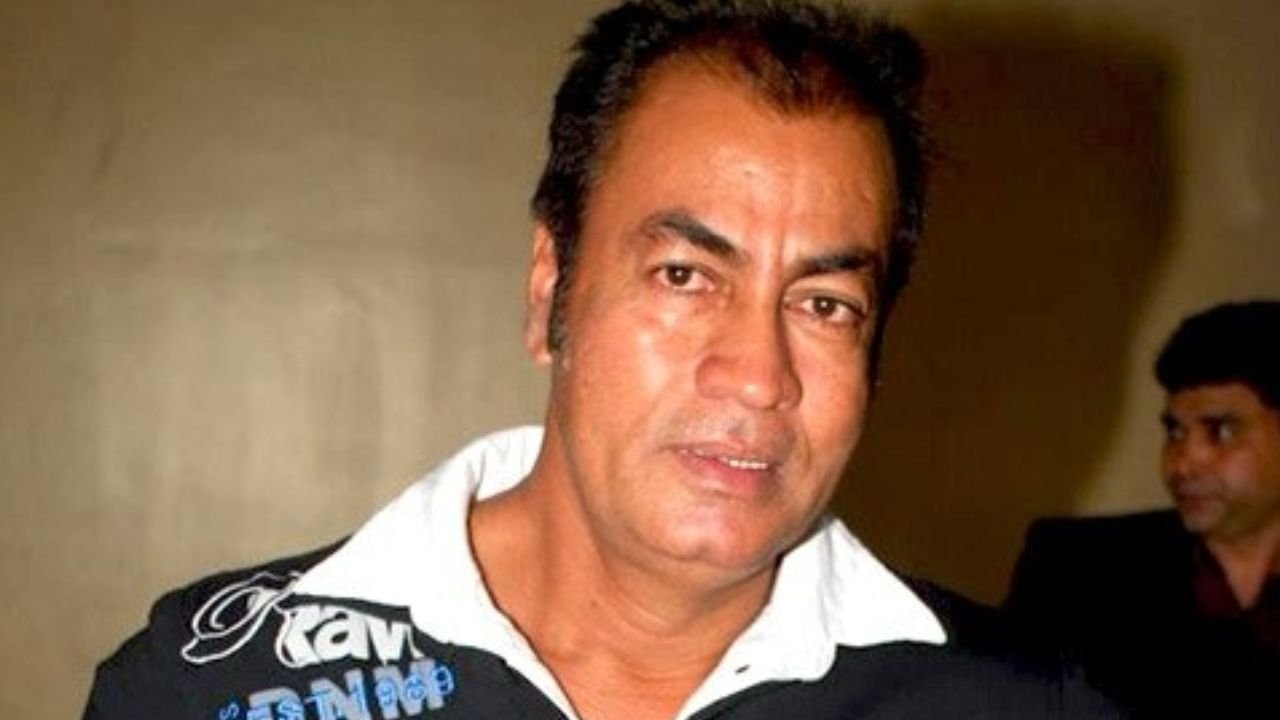
Every generation of Hindi film fans has one villain whose name outgrew the film he appeared in. For the 2000s, that villain was Ghajini Dharmatma the cold, unhurried antagonist whose name became the title of the highest-grossing Hindi film of 2008. The man behind him, veteran actor Pradeep Rawat, died on Tuesday evening, August 4, 2026, at a hospital in Mumbai. He was 74.
Rawat’s manager, Siddharth R Tiwari, told news agency ANI that the actor had been admitted to Mumbai’s Kokilaben Dhirubhai Ambani Hospital for around a month and was recently moved to a cancer facility in Bhiwandi. Tiwari said Rawat had been suffering from cancer that had relapsed; several reports, including Nepali outlet Ratopati, identified the illness as blood cancer, though the family has not issued a detailed medical statement. He is survived by his wife, Kalyani Rawat, and his son, Vikramaditya Rawat.
Pradeep Rawat
Tributes came quickly. His Lagaan co-star and longtime friend Yashpal Sharma wrote, “Pradeep Rawat, Our Ghajini Deva of Lagaan. RIP.” Actor Gajendra Chauhan, who played Yudhishthira alongside Rawat in Mahabharat, posted, “Om Shanti… Our friend and colleague Pradeep Rawat, who played Ashwatthama in Mahabharat, passed away.”
And in a detail that resonates especially in Kathmandu: the news reached Nepali media through actress Vipana Thapa, who worked with Rawat in Nepali cinema and confirmed his death from India a reminder that this “Bollywood villain” had quietly built a career that stretched from Mumbai to Chennai to Kathmandu.
From Ashwatthama to India’s most-feared screen villain
Born on January 21, 1952, in Jabalpur, Madhya Pradesh, Rawat’s breakthrough came not in films but on television. In B.R. Chopra’s landmark 1988 series Mahabharat, he played Ashwatthama, the cursed warrior a role that made his face familiar to an entire subcontinent that gathered around Doordarshan every Sunday morning.
Films followed steadily through the 1990s, but it was John Matthew Matthan’s Sarfarosh (1999), in which he played Sultan, and Ashutosh Gowariker’s Oscar-nominated Lagaan (2001) that fixed him in Bollywood memory. As Deva Singh Sodhi the towering, fiercely loyal Sikh cricketer in Bhuvan’s ragtag village team Rawat showed he could command the screen in a heroic register too. It remains one of the rare beloved positive roles in a filmography built on menace.
Ghajini: one role, two industries, permanent legacy
Rawat’s defining role arrived in the South. In A.R. Murugadoss’s Tamil blockbuster Ghajini (2005), opposite Suriya, he appeared in a double role as the antagonist. When Murugadoss remade the film in Hindi in 2008 with Aamir Khan, Rawat reprised the part as Ghajini Dharmatma and the film became a box-office phenomenon, widely credited as the first Hindi film to cross the ₹100-crore net mark domestically.
His villainy travelled across languages. He made his Telugu debut in S.S. Rajamouli’s Sye (2004), winning the Filmfare Award for Best Villain (Telugu) for the performance, and went on to appear in Telugu hits including Naayak, in Tamil, Kannada, Malayalam (China Town, opposite Mohanlal), Bengali and Bhojpuri films, and in Hindi masala successes like Rowdy Rathore (2012). One of his most recent appearances was in the Vicky Kaushal historical drama Chhaava, in which he played the Maratha commander Yesaji Kank.
The Nepal chapter
For Nepali audiences, Rawat was more than a Bollywood face on cable TV. According to Ratopati, he acted in Nepali films directed by Chandra Pant, sharing the screen with actress Vipana Thapa across two films in the same franchise, along with a further Nepali-language project. Thapa, who was in India when Rawat died, was among the first to share the news publicly and expressed her grief on social media.
It is a fitting footnote to a career defined by border-crossing: a Jabalpur-born actor who became a Tamil screen icon, a Telugu award winner, a Hindi blockbuster villain and a working actor in Kathmandu’s film industry, decades into his career, when he had nothing left to prove.
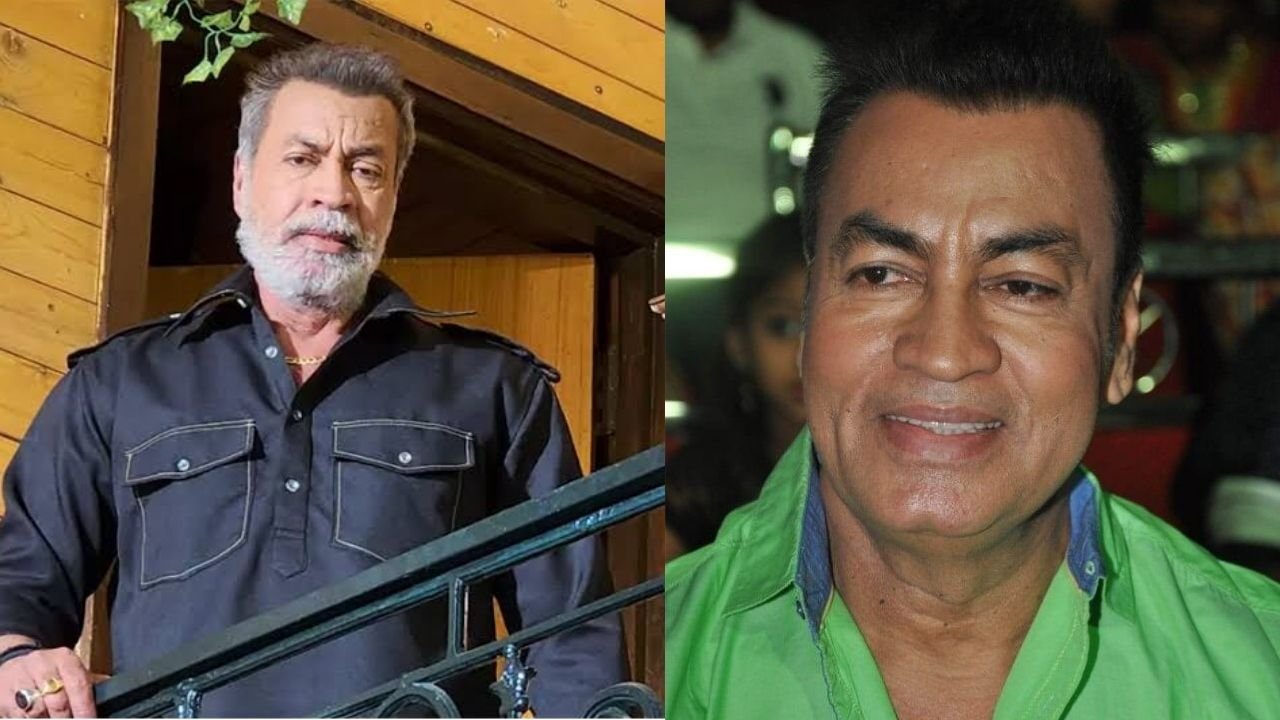
Pradeep Ram Singh Rawat
A villain remembered with love
There is a particular irony in the outpouring for Rawat: the men who play cinema’s cruelest characters are often remembered as its gentlest colleagues. Co-stars across four industries have described him as soft-spoken and generous on set the opposite of the characters that made him famous.
Rawat’s career spanned more than four decades, from the early 1980s until this year. He leaves behind a filmography that few character actors in Indian cinema can match for range: a mythological warrior, a village cricketer, a drug lord, a Maratha commander, and the one villain whose name became the movie.
Sources: ANI, Ratopati, Kalinga TV, Kerala Kaumudi, NewsMobile. Details of Rawat’s illness and hospitalization are as reported by his manager and news agencies; the family has not released an official medical statement. Last verified: August 4, 2026.
Stay Updates with Star Profiles Hub
