
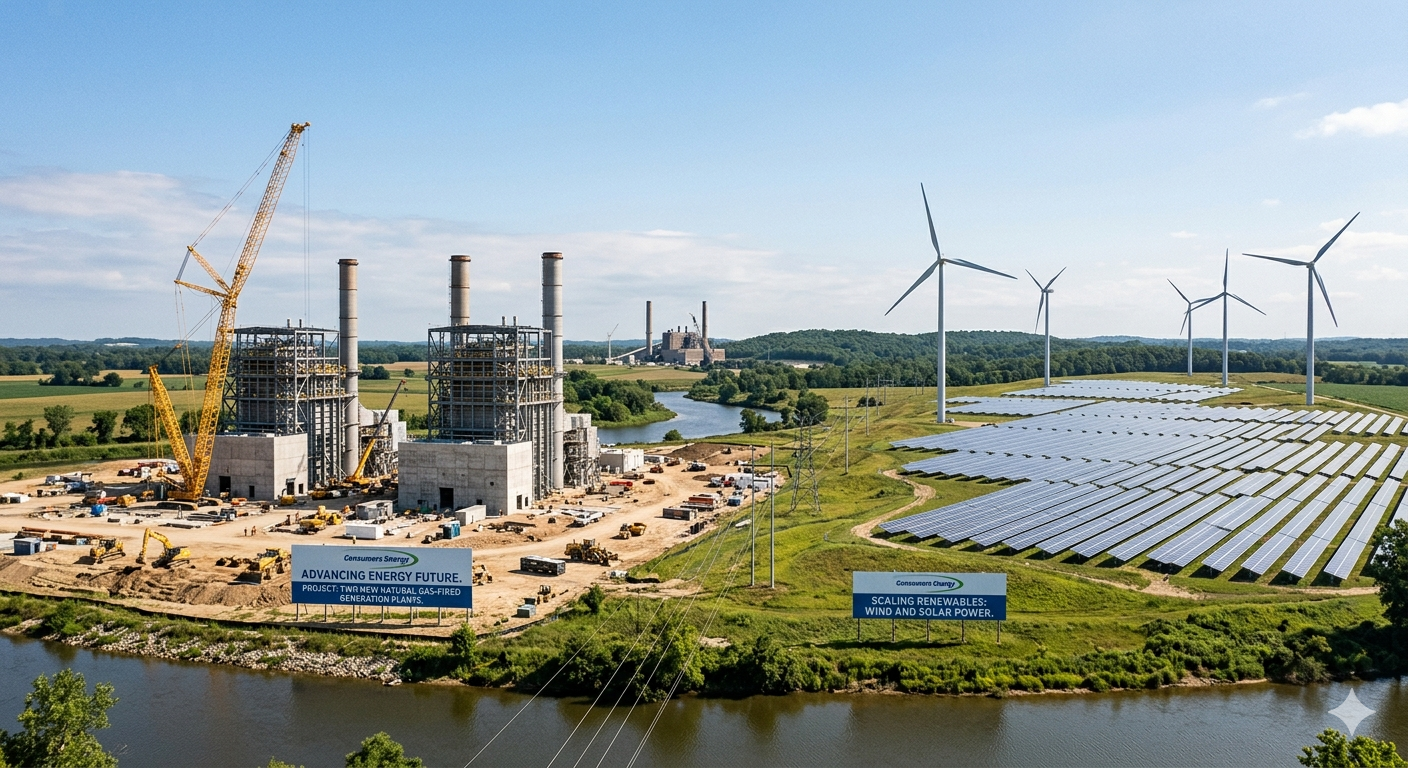
Consumers Energy, one of Michigan’s largest utility providers, has unveiled plans to construct two new gas-fired power plants while simultaneously accelerating investments in renewable energy. This dual strategy is designed to address growing energy demand, ensure a stable electricity supply, and support Michigan’s long-term environmental goals. By carefully balancing traditional energy generation with cleaner alternatives, the company aims to provide both reliability and sustainability for residents and businesses across the state.
Over the past decade, the utility has taken significant steps to modernize the state’s energy infrastructure. Large-scale investments in wind farms, solar arrays, and battery storage systems have complemented existing natural gas facilities, helping maintain grid stability even as renewable energy production increases. These measures reflect a commitment to reducing carbon emissions and transitioning toward a cleaner, more resilient energy system without compromising service reliability.
The announcement of the two new gas plants has generated extensive discussion among policymakers, environmental advocates, and local communities. While some stakeholders are concerned about continued reliance on fossil fuels, the company emphasizes that these plants will incorporate highly efficient technology, advanced emissions controls, and environmentally conscious designs. As renewable energy sources expand, the gas facilities are intended to act as a flexible, reliable backbone for the grid, ensuring uninterrupted electricity for households and businesses during periods of high demand or intermittent renewable output.
Why Consumers Energy Is Building Gas Power Plants
Despite the rapid growth of renewable energy, Consumers Energy recognizes the continued need for reliable baseload power. Gas-fired power plants play a critical role in modern energy grids because they can:
- Provide consistent electricity during periods when solar or wind production fluctuates.
- Respond quickly to spikes in demand, preventing blackouts.
- Operate with lower emissions than coal, making them a cleaner option for transitional energy needs.
Consumers Energy’s emphasizes that these plants are not intended to replace renewable energy but rather to complement it. By using modern, efficient natural gas technology, the plants can minimize emissions while providing necessary backup power to maintain grid reliability.
The Technology Behind the New Plants
It is committed to using state-of-the-art gas technology in these new facilities. Key features include:
- Combined Cycle Gas Turbines (CCGT): These turbines use both gas and steam to generate electricity, significantly improving efficiency.
- Advanced Emissions Controls: The plants will incorporate systems to reduce nitrogen oxide (NOx) and carbon dioxide (CO2) emissions.
- Smart Grid Integration: It plans to integrate the plants with its existing grid infrastructure for optimal energy distribution.
- Flexible Operations: The new gas plants will be able to ramp production up or down quickly to match energy demand, which is essential as renewable energy becomes a larger part of the grid.
This investment reflects Consumers Energy’s commitment to blending technological innovation with environmental responsibility.
Scaling Up Clean Energy
Alongside gas plants, Consumers Energy’s is accelerating its clean energy portfolio. This includes significant investments in:
- Solar Power: Large-scale solar farms across Michigan will add hundreds of megawatts to the grid.
- Wind Energy: Expanding existing wind farms to supply consistent, renewable electricity.
- Battery Storage: Advanced battery systems will store excess energy during peak production and release it when needed.
- Distributed Energy Resources: It is encouraging rooftop solar, microgrids, and other community-level clean energy solutions.
By investing in both traditional and renewable energy, It aims to create a balanced, sustainable energy mix that ensures reliability, reduces carbon emissions, and supports Michigan’s energy transition.
Economic Benefits
The new gas plants and renewable energy expansion will bring numerous economic benefits to Michigan, including:
- Job Creation: Construction, operation, and maintenance of gas plants and renewable energy facilities will create hundreds of jobs across the state.
- Local Investment: Infrastructure projects stimulate local economies, benefiting suppliers, contractors, and related businesses.
- Energy Affordability: By balancing natural gas and renewable sources, It can help maintain competitive energy prices for residents and businesses.
- Long-Term Energy Security: Ensuring a stable energy supply attracts businesses and supports economic growth in Michigan.
It approach demonstrates that environmental responsibility and economic development can work hand-in-hand.
Environmental Considerations
Environmental groups have raised concerns about the expansion of gas-fired power. It has responded by emphasizing:
- Low-Emission Technology: The new plants will use cutting-edge systems to minimize pollution.
- Transition Strategy: Gas plants act as a bridge until renewable energy and storage technology can meet all demand.
- Carbon Reduction Goals: Consumers Energy’s aims to reduce carbon emissions by 80% by 2040 and achieve net-zero by 2050.
While the plants are fossil fuel-based, they represent a strategic compromise between reliability and sustainability. It clean energy investments help offset environmental impact while ensuring that the grid remains stable.
Regulatory Approvals
Before construction can begin, Consumers Energy’s must secure multiple regulatory approvals:
- State Energy Regulatory Board: Approval for plant construction and operation.
- Environmental Impact Assessments: Evaluations to ensure compliance with state and federal environmental regulations.
- Community Engagement: Input from local residents, businesses, and environmental groups is incorporated into planning.
Consumers Energy’s has a strong track record of working with regulators and communities to ensure that its projects meet both legal and ethical standards.
Timeline for the Projects
According to it:
- Planning and Design: 2026–2027
- Construction Start: 2028
- Expected Operations: 2030
Meanwhile, renewable energy projects are already progressing, with solar and wind expansions expected to come online within 2–3 years, providing immediate environmental benefits.
Role of Gas Plants in the Energy Transition
The gas plants serve as a transition tool for Consumers Energy’s. As Michigan increases renewable energy production, the gas plants will:
- Provide backup during low solar/wind periods
- Ensure grid stability during peak demand
- Support adoption of electric vehicles and other new energy technologies
By acting as a reliable bridge, Consumers Energy’s ensures that the state can reduce carbon emissions without risking energy shortages.
Community Impact
Consumers Energy emphasizes that community engagement is a priority:
- Town hall meetings and public consultations will inform residents about plant construction.
- Workers from the local community will be prioritized for construction jobs.
- Efforts will be made to minimize environmental disruption during construction.
These efforts demonstrate Consumers Energy’s commitment to responsible development and stakeholder involvement.
Challenges Ahead
Despite the benefits, Consumers Energy’s faces several challenges:
- Environmental Opposition: Advocacy groups continue to question the necessity of new gas plants.
- Project Costs: Balancing investment in gas infrastructure and renewable energy expansion is complex.
- Technological Integration: Ensuring new plants work seamlessly with renewable sources requires advanced grid management.
Consumers Energy believes that careful planning, advanced technology, and transparent communication will mitigate these challenges.
Long-Term Vision
Consumers Energy’s has a clear roadmap for Michigan’s energy future:
- Near-term: Build gas plants and expand renewable energy capacity.
- Medium-term: Improve energy storage and smart grid infrastructure.
- Long-term: Achieve net-zero emissions by 2050 while maintaining reliable electricity for all residents.
This long-term vision aligns with Michigan’s energy policies and positions Consumers Energy’s as a leader in the transition to a clean, reliable, and sustainable energy system.
Conclusion
Consumers Energy’s is balancing reliability, sustainability, and economic growth through its plan to build two new gas power plants while scaling up clean energy. These projects will:
- Provide stable electricity for Michigan residents
- Create jobs and stimulate local economies
- Reduce environmental impact through clean energy investments
- Prepare the state for a renewable-focused future
By combining advanced gas technology with renewable energy expansion, Consumers Energy’s demonstrates a forward-thinking approach to energy management. Residents can expect a more reliable, cleaner, and economically beneficial energy system as these projects progress.
Consumers Energy’s strategy represents a modern, balanced approach to energy that acknowledges the importance of traditional power sources while aggressively pursuing renewable solutions. Michigan is poised to benefit from both the reliability of gas power and the long-term sustainability of clean energy investments.
FAQ Section
1. What are Consumers Energy’s plans for new gas power plants?
It plans to build two new gas power plants to provide reliable electricity for Michigan residents. These plants will complement the company’s growing renewable energy projects and ensure grid stability during peak demand.
2. Why is Consumers Energy investing in gas power plants?
It is investing in gas-fired power to maintain consistent and reliable energy supply. Gas plants can ramp up quickly during peak demand and act as a backup for renewable sources like solar and wind.
3. How is Consumers Energy expanding clean energy?
In addition to gas plants, it is scaling up solar farms, wind projects, and battery storage systems across Michigan. These initiatives aim to reduce carbon emissions and increase the share of renewable energy in the state’s power mix.
4. What are the environmental benefits of Consumers Energy’s plan?
While gas plants produce some emissions, it is implementing state-of-the-art emissions controls. Combined with renewable energy expansion, the overall strategy will reduce carbon intensity and support Michigan’s long-term sustainability goals.
5. When will Consumers Energy’s new gas plants be operational?
The planning and design phase is expected from 2026 to 2027, with construction starting in 2028. Both gas power plants are projected to be operational by 2030.
6. How will Consumers Energy’s projects impact jobs?
The new gas plants and renewable energy projects will create hundreds of construction and operational jobs in Michigan, supporting local economies and workforce development.
7. Is Consumers Energy committed to carbon reduction?
Yes, it has set ambitious targets, including reducing carbon emissions by 80% by 2040 and achieving net-zero emissions by 2050. The combination of gas plants and clean energy investments supports these goals.
8. How does Consumers Energy balance reliability and sustainability?
Consumers Energy balances reliability and sustainability by using gas plants as a transitional source of power while ramping up renewable energy and energy storage. This ensures the grid remains stable without compromising environmental objectives.
9. What challenges does Consumers Energy face with these projects?
Challenges include regulatory approvals, environmental opposition, project costs, and grid integration. Consumers Energy is addressing these with advanced technology, transparent planning, and community engagement.
10. How can Michigan residents learn more about Consumers Energy’s plans?
Residents can attend town hall meetings, public consultations, and visit the Consumers Energy official website for updates on construction, environmental impact, and renewable energy initiatives.
