
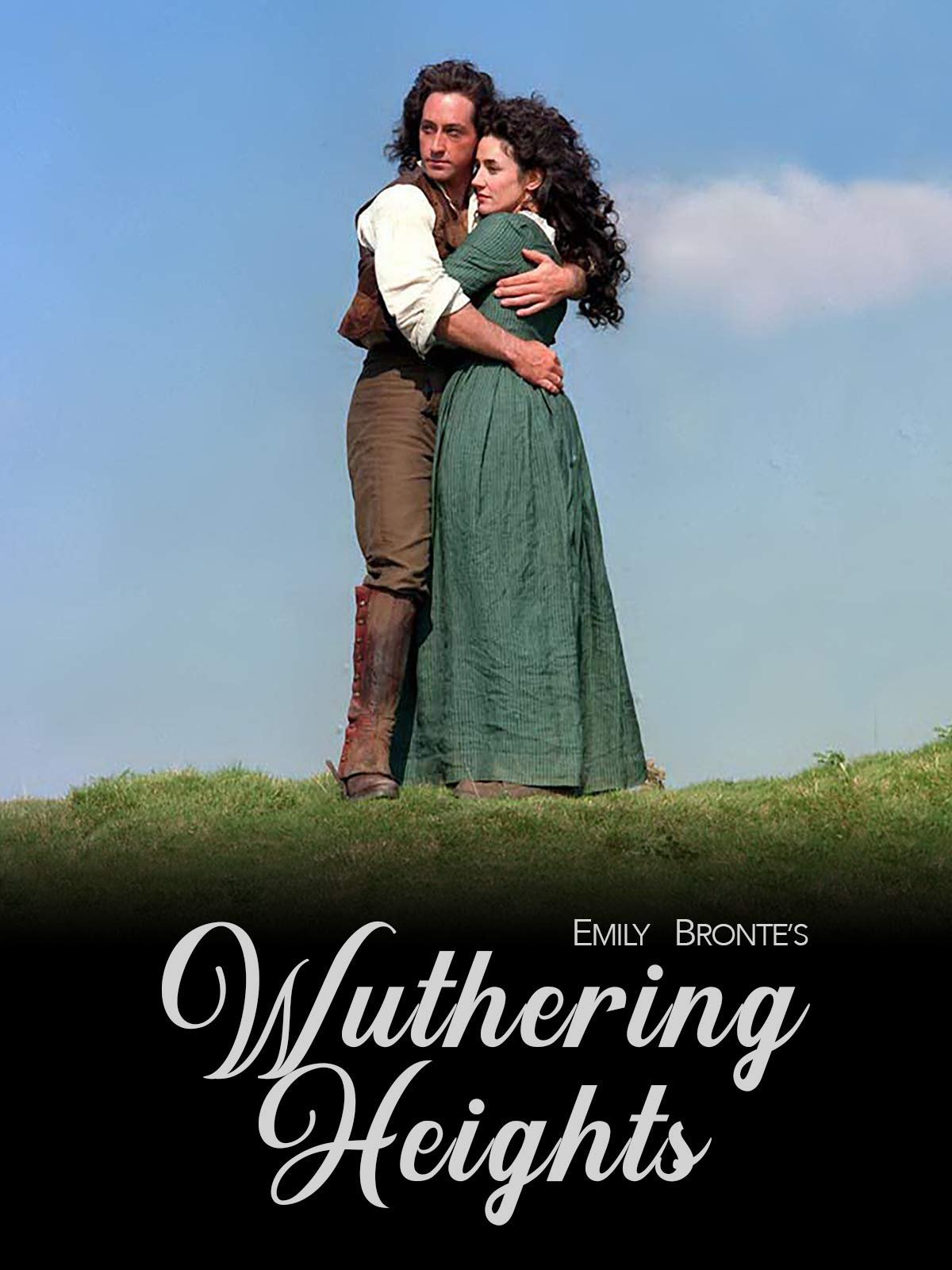
The latest adaptation of Wuthering Heights, starring Margot Robbie, does more than just retell Emily Brontë’s story—it breathes new life into one of literature’s most haunting love stories. Set against the raw and untamed beauty of the Yorkshire moors, the film immerses viewers in a world where passion, obsession, and revenge collide. Every scene captures the emotional turbulence of Catherine Earnshaw and Heathcliff, allowing audiences to experience their joys, heartbreaks, and moral dilemmas with unprecedented intensity.
This rendition of wuthering heights distinguishes itself from previous adaptations by combining faithfulness to the source material with a cinematic style that appeals to modern viewers. The film does not shy away from the darker aspects of Brontë’s novel—the destructive power of obsessive love, the psychological complexity of revenge, and the societal pressures that shape the characters’ decisions. By embracing these elements, the adaptation reminds viewers why wuthering heights has remained a timeless story for over a century.
Margot Robbie’s performance as Catherine Earnshaw is central to the film’s emotional impact. She embodies the turbulent spirit and impulsive passion of Catherine, portraying her as both vulnerable and fiercely independent. Her chemistry with the actor portraying Heathcliff ignites the screen, capturing the intensity and complexity of their relationship. In this version of wuthering heights, love is not merely romantic—it is all-consuming, chaotic, and at times, destructive, reflecting the true essence of Brontë’s vision.
The film also excels in its visual storytelling. The stormy moors are more than a backdrop—they mirror the characters’ inner turmoil, providing a symbolic landscape that enhances the narrative. Dark skies, wind-swept fields, and mist-covered hills evoke a sense of isolation and wildness, reinforcing the emotional stakes of wuthering heights. Every frame, from sweeping panoramic shots to intimate close-ups, emphasizes the interplay between human emotion and the raw, elemental power of nature.
Furthermore, this adaptation successfully balances faithfulness with modern sensibilities. While the dialogue, character motivations, and tragic arcs honor Brontë’s original work, the pacing, cinematography, and production design make wuthering heights accessible to contemporary audiences. It is a film that appeals both to literature purists and viewers experiencing the story for the first time, proving that classic narratives can be reimagined without losing their core emotional resonance.
Margot Robbie’s Commanding Performance
Margot Robbie delivers a career-defining performance as Catherine Earnshaw in this adaptation of Wuthering Heights, capturing the complexity of a character whose passions are as untamed as the moors themselves. Robbie masterfully portrays Catherine’s emotional extremes, moving seamlessly between vulnerability, defiance, and raw, almost reckless intensity. In her early years, Catherine exudes playful curiosity and spirited innocence, a stark contrast to the tormented and morally conflicted woman she becomes as an adult. Robbie’s interpretation highlights the internal struggle between societal expectations, personal desire, and the inevitable pull of her love for Heathcliff—a tension that lies at the heart of wuthering heights.
The chemistry between Robbie and the actor portraying Heathcliff is electrifying, making their connection both believable and tragic. Every glance, every whispered word, and every emotionally charged confrontation crackles with tension, reflecting the consuming and destructive nature of their love. This intensity is a hallmark of wuthering heights, and Robbie’s performance ensures that audiences feel the exhilaration and despair of the relationship.
Robbie’s portrayal also brings subtle nuances to Catherine’s character. Moments of impulsivity are balanced with introspection, while her defiance of societal norms is grounded in deeply human motivations rather than melodrama. In doing so, Robbie transforms Catherine from a literary figure into a living, breathing character, making the story of wuthering heights feel immediate, emotionally resonant, and visually gripping.
Additionally, Robbie’s ability to convey emotion through physicality—whether racing across the windswept moors, collapsing in grief, or expressing quiet longing—enhances the cinematic experience of wuthering heights. The audience witnesses not just the dialogue but the silent language of passion and heartbreak, which is essential to capturing the essence of Brontë’s classic novel.
In summary, Margot Robbie’s Catherine Earnshaw is a tour de force performance that anchors the entire film. Her nuanced interpretation, combined with the electric dynamic with Heathcliff, ensures that this adaptation of wuthering heights stands out as a definitive version for modern audiences, offering both a faithful homage to Emily Brontë’s work and a fresh, cinematic perspective.
Heathcliff – A Dark Force on the Moors
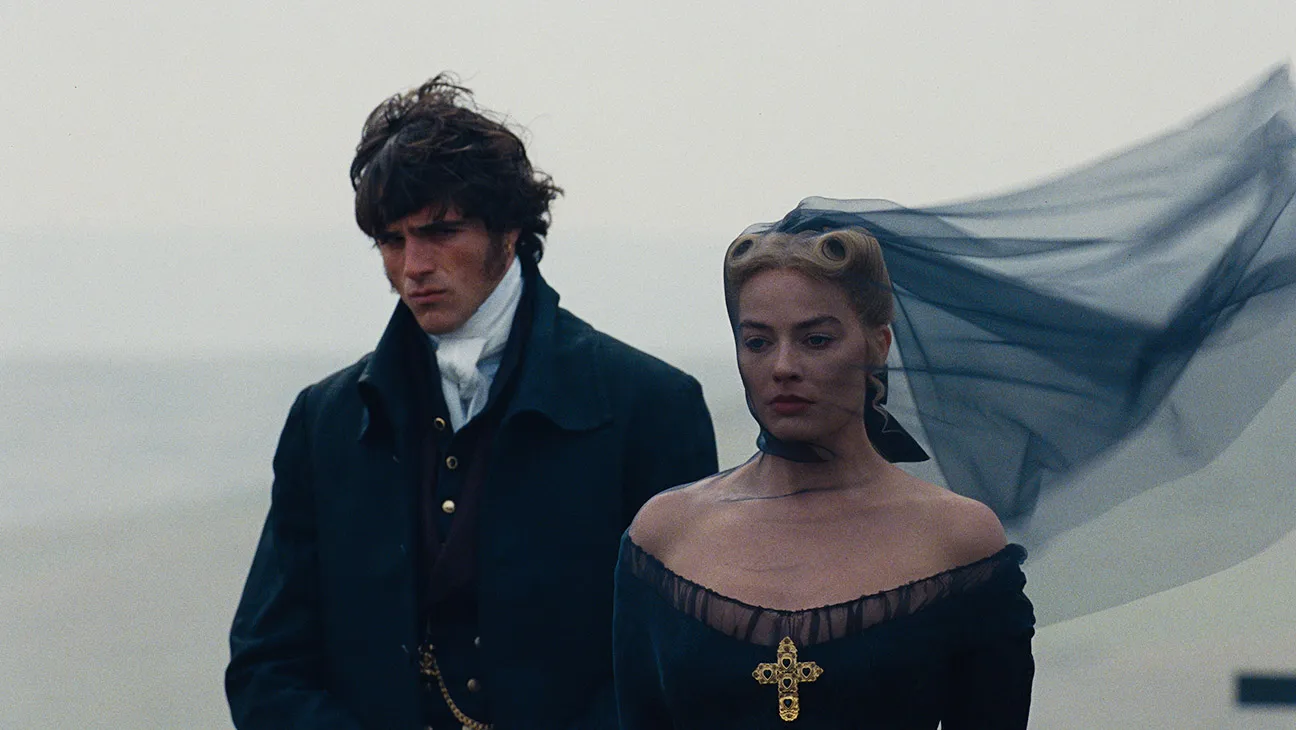
Heathcliff is arguably the most iconic and complex character in Emily Brontë’s Wuthering Heights, and this adaptation fully embraces the depth of his persona. Portrayed with brooding intensity and simmering passion, Heathcliff is both a tragic figure and a force of nature within the narrative. From the moment he is introduced, the audience senses the weight of his turbulent past, his outsider status, and the obsessive love that defines his existence.
This version of wuthering heights highlights Heathcliff’s vengeful tendencies without diminishing his humanity. His actions, though often extreme, are rooted in emotional trauma, class struggles, and a deep, consuming attachment to Catherine. The filmmakers use careful cinematography, shadowed lighting, and close-up shots to convey Heathcliff’s inner torment. Every glance, clenched fist, and tense silence communicates volumes about his emotional state, making the audience feel both his pain and his relentless drive for revenge.
The film also explores Heathcliff’s unwavering devotion to Catherine, which is the emotional core of wuthering heights. His love is portrayed as all-encompassing and at times destructive, blurring the line between passion and obsession. This intensity is not only a driving force in the plot but also a reflection of Brontë’s original vision, where love and suffering are inseparably intertwined.
Heathcliff’s interactions with other characters—Catherine, Edgar Linton, and even minor figures—further illustrate his multifaceted personality. He is charming when necessary, intimidating when provoked, and emotionally raw when confronted with his deepest desires. These layers make Heathcliff compelling to watch, ensuring that wuthering heights remains a story of emotional resonance rather than mere gothic melodrama.
The landscapes of the moors are intimately tied to Heathcliff’s character. Scenes set against stormy skies, wind-swept fields, and desolate estates visually mirror his internal chaos. The wild, untamed environment enhances Heathcliff’s aura as both a man shaped by hardship and a creature of instinct, reinforcing the tragic beauty of wuthering heights.
In this adaptation, Heathcliff is not just a brooding antihero; he is a symbol of enduring passion, pain, and the human struggle between love and vengeance. Through nuanced acting, powerful visual storytelling, and a faithful interpretation of Brontë’s novel, Heathcliff’s character ensures that this version of wuthering heights resonates with audiences emotionally and cinematically.
Cinematic Mastery – Moors and Atmosphere
In this adaptation of Wuthering Heights, the moors are not merely a backdrop—they are a vital character in the story itself. The filmmakers use sweeping drone shots, fog-laden hills, and rain-drenched landscapes to evoke a sense of isolation, unpredictability, and raw emotional energy. Each gust of wind and rolling thunder seems to echo the turmoil within Catherine and Heathcliff, making the wuthering heights setting inseparable from its characters’ emotional journeys.
The stormy, untamed environment mirrors the passion, obsession, and vengeance that drive the narrative. When Catherine and Heathcliff confront each other amid the desolate moors, their surroundings amplify every glance, scream, and desperate embrace. In this way, the landscapes do more than enhance visuals—they reflect the internal chaos of the characters, reinforcing the timeless gothic atmosphere that defines wuthering heights.
Beyond the natural environment, costume design is used cleverly to communicate character psychology and narrative progression. Catherine’s wardrobe evolves from light, playful garments representing her youthful innocence to more sophisticated and restrictive attire as she grapples with societal expectations and personal desire. This visual evolution underscores the central conflict of wuthering heights: the tension between social obligation and passionate, often destructive love.
Heathcliff’s attire complements his narrative arc, emphasizing his outsider status and emotional intensity. Dark, rugged clothing, often smudged or weathered, symbolizes his life marked by hardship, rejection, and simmering rage. Every costume choice in wuthering heights is carefully considered to deepen viewers’ understanding of character motivations, making visual storytelling as crucial as dialogue or plot.
The combination of moody landscapes, natural elements, and meticulously designed costumes ensures that every frame of wuthering heights communicates layers of meaning. The environment interacts with the characters, guiding the audience through the story’s emotional highs and lows. This cinematic approach makes the film a fully immersive experience, allowing viewers to feel the power of Emily Brontë’s gothic masterpiece as never before.
Scene-by-Scene Analysis
Opening Scenes:
The film begins with Catherine and Heathcliff’s childhood on the moors. Robbie’s early portrayal establishes her rebellious yet spirited nature, while Heathcliff’s brooding intensity hints at the darkness to come.
The First Confrontation:
Tensions rise when Catherine meets societal expectations versus her desire for true love. This pivotal moment captures the essence of wuthering heights, highlighting the destructive power of societal constraints and class.
The Climactic Moors Encounter:
Arguably the most cinematic scene, Catherine and Heathcliff confront their emotions amidst a storm. Sweeping landscapes, intense close-ups, and dramatic music convey the tumultuous passion central to wuthering heights.
Final Resolution:
The ending balances tragedy and poetic closure. Both Catherine and Heathcliff’s fates are intertwined with the moors, emphasizing that wuthering heights is as much about the environment as it is about the characters’ emotions.
Supporting Characters in Wuthering Heights
While Catherine Earnshaw and Heathcliff dominate the narrative of wuthering heights, the supporting characters play essential roles in shaping the story’s tension, drama, and emotional depth. Each secondary character adds perspective, motivation, and conflict, enriching the gothic world of the moors.
Edgar Linton represents the world Catherine could have chosen: stability, social status, and conventional safety. His calm, refined demeanor contrasts sharply with Heathcliff’s passion and unpredictability, creating a central tension that drives Catherine’s internal struggle. Edgar embodies the societal order and the allure of comfort, highlighting the sacrifices characters make when choosing between love and societal expectation—a theme central to wuthering heights.
Isabella Linton, Edgar’s sister, adds additional layers of complexity to the narrative. Her unrequited love for Heathcliff introduces jealousy, manipulation, and betrayal, further complicating the already volatile relationships at the heart of wuthering heights. Isabella’s presence serves as a mirror to Catherine’s choices, showing how love and obsession can impact others and escalate tragedy.
Nelly Dean, the loyal housekeeper and narrative anchor, provides crucial context and insights into the characters’ motivations. As the storyteller within the story, Nelly bridges the audience to the events at Wuthering Heights and Thrushcross Grange, offering observations and moral commentary. Through her perspective, viewers gain a deeper understanding of the emotional stakes and societal pressures that define wuthering heights.
The interactions between these supporting characters and the central duo—Catherine and Heathcliff—heighten the drama and tension of the story. Edgar’s protective presence contrasts Heathcliff’s dark allure, Isabella’s jealousy sparks conflict, and Nelly’s guidance frames the narrative in moral and emotional context. Together, they create a fully realized, immersive world, where every action resonates with consequence and every decision adds to the tragic rhythm of wuthering heights.
Moreover, the supporting cast’s nuanced performances ensure that wuthering heights is more than just a tale of two lovers. Their emotions, desires, and flaws interweave with the main storyline, creating a rich tapestry that mirrors the complexity of human relationships. From subtle glances to explosive confrontations, each character contributes to the timeless tension and gothic intensity that has made wuthering heights a classic in both literature and film adaptations.
Themes and Symbolism in Wuthering Heights
The latest adaptation of wuthering heights dives deeply into the timeless themes that have made Emily Brontë’s novel a literary classic. These themes are brought to life through powerful performances, immersive cinematography, and meticulous attention to the moors and visual symbolism, giving the story a fresh yet faithful interpretation.
1. Obsession and Forbidden Love
At the heart of wuthering heights is the all-consuming love between Catherine and Heathcliff. Their passion defies social norms, reason, and morality, creating a love that is both intoxicating and destructive. This adaptation emphasizes the intensity of their connection, showing how love can become an obsession that shapes every decision and action. From stolen glances across the moors to heated confrontations, the film portrays the exhilaration and agony of a love that transcends societal boundaries, making the emotional stakes palpable for modern audiences.
2. Revenge and Social Class
Heathcliff’s journey is deeply intertwined with themes of revenge and social inequity, which are central to wuthering heights. As an outsider denied status and respect, Heathcliff channels his pain and resentment into calculated retribution. This adaptation highlights the class divides of 19th-century England, showing how societal pressures and economic barriers intensify personal conflicts. Heathcliff’s rise to power and subsequent vengeance are not mere plot devices—they underscore the enduring human struggle with inequality, pride, and the desire for justice, making the story of wuthering heights both personal and universal.
3. Nature vs. Civilization
One of the most striking motifs in wuthering heights is the contrast between the wildness of the moors and the constraints of civilized society. The adaptation uses sweeping landscapes, stormy weather, and untamed terrain to mirror the emotional states of the characters. Catherine and Heathcliff’s intense passions align with the raw, chaotic energy of the natural environment, while the more orderly interiors—like Thrushcross Grange—reflect societal expectations, repression, and conventional morality. This juxtaposition emphasizes the struggle between instinctual desires and social conformity, a theme that remains as relevant today as it was in Brontë’s time.
4. Death and the Supernatural
Another enduring aspect of wuthering heights is its engagement with mortality and the supernatural. Ghostly imagery, symbolic shadows, and ethereal cinematography reinforce the omnipresence of death and the idea that unresolved emotions linger beyond the grave. The moors themselves often take on a spectral quality, echoing the characters’ grief, obsession, and longing. These elements make the narrative haunting, reminding viewers that wuthering heights is as much a story of loss and memory as it is of love and revenge.
5. Identity and Transformation
Throughout wuthering heights, characters undergo profound transformations. Catherine struggles with identity—torn between social ambition and true desire—while Heathcliff evolves from a marginalized orphan into a commanding, yet vengeful, figure. The adaptation underscores how environment, upbringing, and personal choices shape character identity, a recurring motif in Brontë’s work. The moors, weather, and social pressures act as catalysts, emphasizing the fluidity of human emotion and the consequences of internal conflict.
Comparisons to Previous Adaptations
Unlike earlier adaptations, this film leans into gritty realism and intense character psychology. Previous versions often softened the story or romanticized it; here, wuthering heights is raw, visceral, and emotionally charged. Fans of the novel will recognize Brontë’s original darkness, while newcomers are captivated by the cinematic spectacle.
Music and Sound
The haunting score complements the narrative, with orchestral swells during emotional peaks and minimalistic soundscapes during intimate moor scenes. Every gust of wind, creak of a floorboard, or distant storm adds to the immersive experience of wuthering heights.
Fan Reactions and Social Media Buzz
Fans and literature enthusiasts alike have praised the film on social media. Margot Robbie’s performance, the faithful adaptation of Brontë’s prose, and the stunning visual representation of the moors are consistent highlights. Hashtags like #WutheringHeights, #MargotRobbie, and #GothicRomance trend during release periods, showing strong engagement from global audiences.
Conclusion
The new adaptation of Wuthering Heights starring Margot Robbie succeeds in delivering a cinematic experience that is faithful, intense, and visually stunning. With a compelling performance, atmospheric visuals, and careful attention to Brontë’s themes, this version of wuthering heights is both a tribute to the classic novel and a modern cinematic masterpiece. Fans of gothic romance, literary adaptations, and emotional storytelling will find themselves enthralled.