
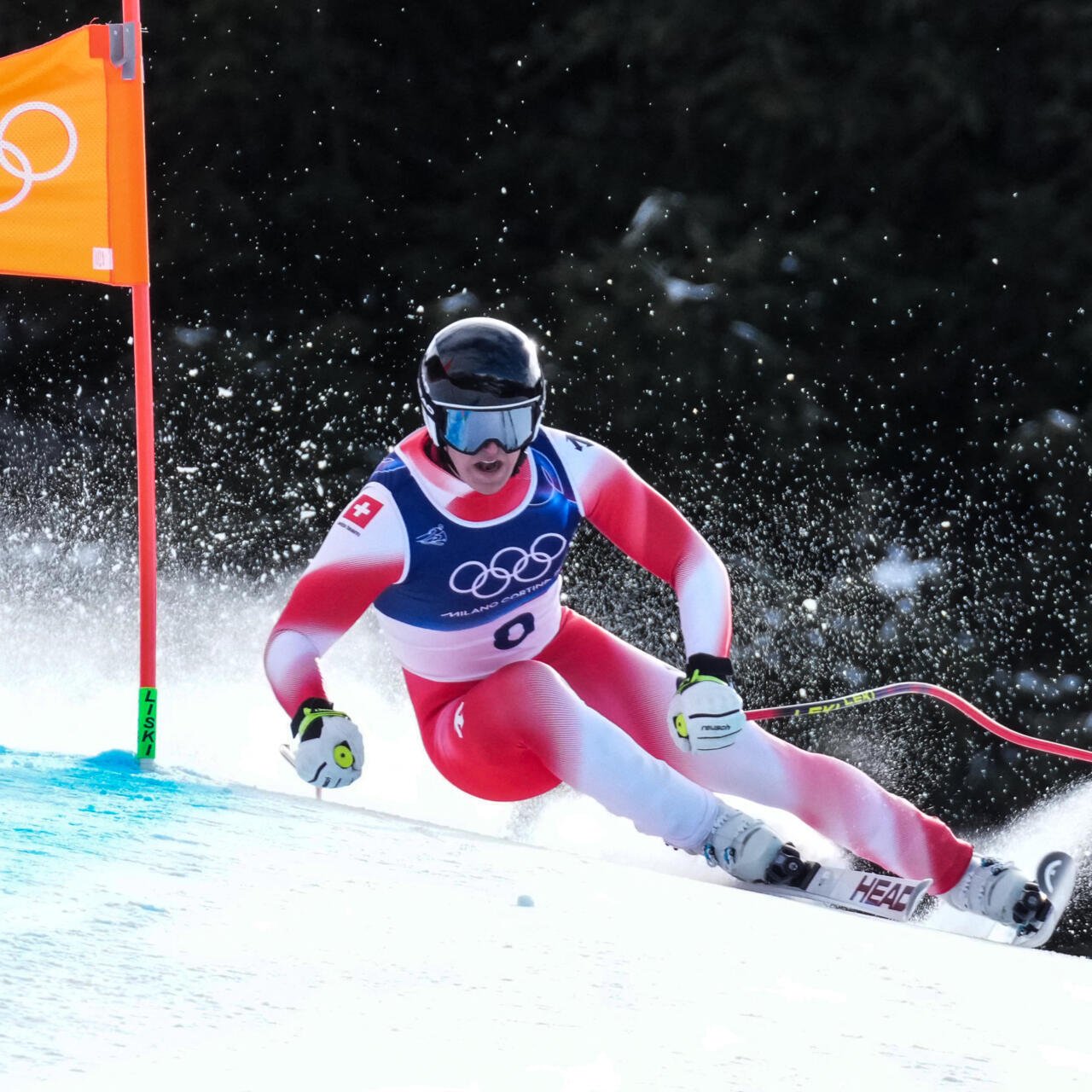
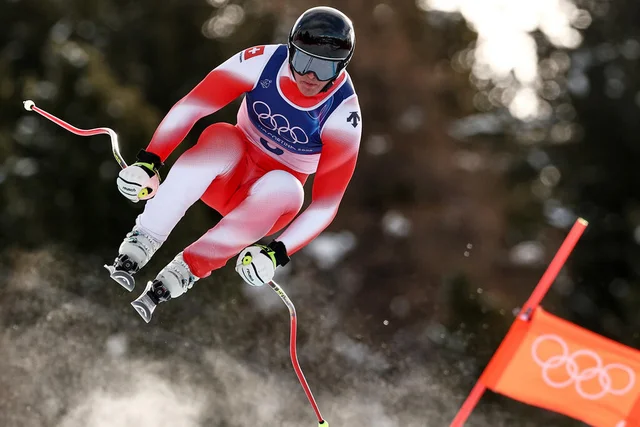
Winter olympics alpine skiing is one of the most thrilling and technically demanding sports in the Winter Games. Combining speed, precision, balance, and courage, winter olympics alpine skiing has captivated audiences for decades. Athletes race down steep, icy slopes at breathtaking speeds, navigating sharp turns, jumps, and challenging terrain in pursuit of Olympic glory. Every run requires split-second decision-making, perfect body control, and complete mental focus.
Unlike many winter sports, olympics alpine skiing relies heavily on gravity. Competitors must master both speed events and technical disciplines, adjusting their strategy depending on the course layout and snow conditions. Weather, visibility, and even slight surface changes can dramatically impact performance, making olympics alpine skiing unpredictable and exciting for fans worldwide.
Since its official debut at the 1936 Winter Olympics, olympics alpine skiing has become a cornerstone event of the Winter Games, attracting millions of viewers globally. Over the decades, the sport has evolved with advancements in ski technology, safety equipment, and course design. Today, olympics alpine skiing represents the perfect blend of athletic power, refined technique, and tactical intelligence, where differences of just hundredths of a second can determine medal winners.
In this comprehensive guide, we will explore the rich history, event formats, competition rules, legendary champions, specialized equipment, training methods, and future developments shaping winter olympics alpine skiing. Whether you are a new fan or a longtime follower of the sport, understanding the depth and intensity of winter olympics alpine skiing will give you a greater appreciation for the skill and bravery required to compete at the highest Olympic level.
History of Winter Olympics Alpine Skiing
Winter olympics alpine skiing made its Olympic debut at the 1936 Winter Olympics in Germany. At that time, the sport featured a single combined event for both men and women, blending downhill and slalom races into one overall competition. This early format laid the foundation for what would later become one of the most exciting and prestigious disciplines in the Winter Games.
Following its promising debut, olympics alpine skiing was temporarily absent from the Olympic program in 1940 and 1944 due to the outbreak of World War II, which led to the cancellation of the Winter Games. The sport returned in 1948 with renewed international interest and quickly re-established itself as a core Olympic event. From that point onward, winter olympics alpine skiing remained a permanent fixture, expanding in both participation and global appeal.
Throughout the decades, olympics alpine skiing has grown significantly in popularity, competitiveness, and technical complexity. Advancements in ski materials, boot and binding technology, and aerodynamically designed racing suits have greatly enhanced athlete performance. At the same time, improved course design, stricter safety standards, and scientific training methods have transformed winter olympics alpine skiing into the high-speed, precision-driven spectacle admired by millions of fans worldwide today.
Events in Winter Olympics Alpine Skiing
Winter olympics alpine skiing consists of several exciting and highly competitive disciplines. Each event in winter olympics alpine skiing tests different aspects of athletic ability, including speed, technical precision, balance, reaction time, and mental focus. While all disciplines share the same goal — completing the course in the fastest time — the skills required for each event vary significantly.
1. Downhill
Downhill is the fastest and most adrenaline-filled discipline in winter olympics alpine skiing. In this event, skiers can reach speeds exceeding 130 km/h, making it one of the quickest sports in the entire Winter Games. The downhill course is typically the longest, featuring steep vertical drops, long straight sections, high jumps, and wide sweeping turns. Because athletes only get one timed run, there is no room for error in olympics alpine skiing downhill competitions. Courage, aerodynamic positioning, and the ability to remain stable at extreme speeds are essential for success.
2. Slalom
Slalom is the most technical discipline in olympics alpine skiing. Unlike downhill, slalom courses are shorter but far more complex. Gates are placed very close together, forcing athletes to make rapid, short, and precise turns. Quick reflexes and flawless edge control are crucial in this winter olympics alpine skiing event. Competitors complete two runs on different courses, and their combined times determine the final ranking. In slalom, precision and rhythm are often more important than pure speed.
3. Giant Slalom
Giant slalom in winter olympics alpine skiing offers a balance between speed and technical skill. The gates are spaced further apart than in slalom but closer than in downhill, requiring a mix of strong carving turns and controlled acceleration. Like slalom, athletes complete two runs, and the total time determines the winner. Giant slalom is often considered the most well-rounded event in winter olympics alpine skiing because it demands both power and technical mastery.
4. Super-G (Super Giant Slalom)
Super-G combines the speed of downhill with the technical turning elements of giant slalom. In winter olympics alpine skiing, Super-G courses are shorter than downhill but faster than giant slalom. Athletes only get one run, increasing the pressure and intensity. Strategic line choice, timing, and adaptability are critical in this discipline. Super-G is widely regarded as one of the most exciting olympics alpine skiing events due to its perfect blend of speed and precision.
5. Alpine Combined
The alpine combined event in olympics alpine skiing tests versatility. It merges one speed run (either downhill or Super-G) with one slalom run. The final standings are determined by adding the times from both runs. This discipline rewards athletes who can perform equally well in both speed and technical events. Alpine combined highlights the all-around talent required to succeed in winter olympics alpine skiing at the highest level.
Rules and Scoring in Winter Olympics Alpine Skiing
Understanding the rules of winter olympics alpine skiing helps fans appreciate just how demanding and precise the sport truly is. While the objective appears simple — ski down the course as fast as possible — the regulations governing winter olympics alpine skiing ensure fairness, safety, and technical accuracy at the highest competitive level.
In every winter olympics alpine skiing event, athletes must pass through all gates correctly and in the proper sequence. Each gate consists of two poles (or panels in speed events), and skiers must navigate between them without missing any. If a competitor fails to pass a gate properly, straddles it incorrectly, or skips it entirely, they are immediately disqualified. This strict rule maintains the integrity of winter olympics alpine skiing and emphasizes technical discipline.
Timing is another critical element in olympics alpine skiing. The winner is determined purely by time — the fastest total time wins. In speed events like downhill and Super-G, athletes typically get one timed run, meaning there is no second chance to correct mistakes. In technical disciplines such as slalom and giant slalom, competitors complete two runs on different course layouts. Their combined times determine final standings, adding another layer of strategy and consistency to winter olympics alpine skiing competition.
Precision timing technology in olympics alpine skiing measures results to the hundredth of a second. In many Olympic races, medals have been decided by margins as small as 0.01 seconds. This makes winter olympics alpine skiing one of the most exact and finely measured sports in the Winter Games, where even the slightest hesitation, minor skid, or imperfect turn can cost an athlete a podium finish.
Beyond speed and gate navigation, course inspection rules, start intervals, and safety regulations are also carefully controlled in winter olympics alpine skiing. Athletes are allowed to inspect the course before competition, but once the race begins, strict timing and start orders apply. These structured rules ensure that winter olympics alpine skiing remains both competitive and fair for all participants.
Legendary Athletes in Winter Olympics Alpine Skiing
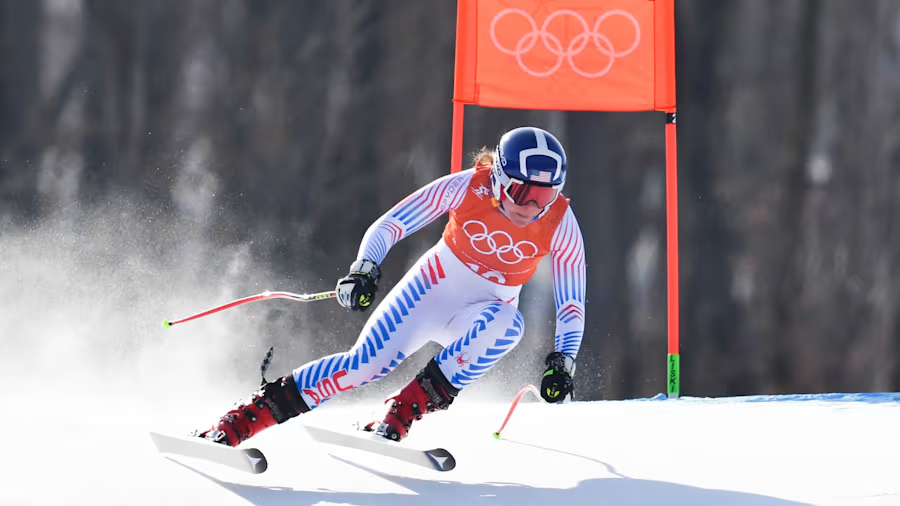
Over the years, olympics alpine skiing has produced legendary champions.
Mikaela Shiffrin
Mikaela Shiffrin is one of the most dominant figures in olympics alpine skiing. Known for her technical mastery, she has won multiple Olympic medals and World Cup titles.
Lindsey Vonn
Lindsey Vonn is another icon of olympics alpine skiing. Famous for her downhill performances, she became one of the most successful female skiers in Olympic history.
Hermann Maier
Hermann Maier, nicknamed “The Herminator,” was a dominant force in olympics alpine skiing during the late 1990s and early 2000s.
These athletes have shaped the legacy of winter olympics alpine skiing and inspired future generations.
Memorable Moments in Olympics Alpine Skiing
Winter olympics alpine skiing has delivered some of the most unforgettable moments in Winter Games history. From dramatic crashes and miraculous recoveries to record-breaking performances and emotional victories, winter olympics alpine skiing consistently produces high-intensity Olympic drama that captivates global audiences.
At the 2010 Winter Olympics, olympics alpine skiing was defined by unpredictable weather conditions and razor-thin margins of victory. Heavy snowfall and shifting visibility created extremely challenging racing surfaces. Athletes had to quickly adapt their techniques and strategies, making every run both dangerous and thrilling. Several races were decided by mere hundredths of a second, highlighting the incredible precision required in winter olympics alpine skiing competition.
During the 2018 Winter Olympics, olympics alpine skiing showcased emotional storylines and surprising upsets. New champions emerged on the world stage, while established stars faced intense pressure. The competition reflected how olympics alpine skiing continues to evolve, with younger athletes pushing technical limits and redefining performance standards. The dramatic finishes and breakthrough victories captured worldwide attention and inspired a new generation of skiers.
At the 2022 Winter Olympics, winter olympics alpine skiing once again demonstrated its global growth and competitive depth. Rising talents challenged seasoned veterans, creating intense rivalries across multiple disciplines. Advanced course preparation and modern ski technology further elevated performance levels. The 2022 competitions proved that olympics alpine skiing remains one of the most dynamic and rapidly developing sports in the Winter Games.
Across every Olympic era, olympics alpine skiing continues to deliver heart-stopping speed, emotional triumphs, and historic achievements — moments that define the spirit of the Winter Olympics itself.
Equipment Used in Olympics Alpine Skiing
Winter olympics alpine skiing requires highly specialized equipment:
- Skis (vary by event type)
- Ski boots
- Bindings
- Poles
- Helmets
- Goggles
- Protective suits
Technological innovation has played a major role in winter olympics alpine skiing performance. Aerodynamic suits and advanced ski materials help athletes maximize speed and control.
Training and Preparation for Olympics Alpine Skiing
Preparing for winter olympics alpine skiing demands intense physical conditioning, technical refinement, and exceptional mental strength. Competing at the Olympic level in olympics alpine skiing requires years of structured training, discipline, and international competition experience. Athletes must develop explosive power, precise coordination, and the ability to perform under extreme pressure.
To succeed in olympics alpine skiing, competitors focus on several key training areas:
Strength Training
Lower-body strength is critical in winter olympics alpine skiing. Athletes build powerful quadriceps, hamstrings, glutes, and core muscles to maintain stability at high speeds. Weightlifting, plyometrics, and resistance training help skiers generate explosive force during turns and absorb impacts from jumps.
Balance Exercises
Balance is essential in winter olympics alpine skiing because racers must stay centered while navigating steep slopes and sharp turns. Training often includes stability boards, single-leg drills, and coordination exercises that simulate on-snow conditions.
Endurance Workouts
Although winter olympics alpine skiing races are relatively short, they require maximum intensity from start to finish. Cardiovascular endurance ensures athletes can maintain focus and power throughout the run. Cycling, running, and interval training are common conditioning methods.
Technical Drills
On-snow practice is the foundation of winter olympics alpine skiing preparation. Skiers repeatedly train on different course setups to refine carving techniques, gate timing, and optimal racing lines. Video analysis is frequently used to improve body positioning and reduce unnecessary movement.
Course Visualization
Mental preparation is just as important as physical training in winter olympics alpine skiing. Athletes carefully inspect courses before races and mentally rehearse every turn, jump, and transition. Visualization techniques improve reaction time, confidence, and decision-making during high-speed runs.
Winter olympics alpine skiing competitors train year-round. During off-seasons, they travel to glaciers and southern hemisphere ski resorts to maintain snow training. Many athletes compete in World Cup circuits to gain international experience and ranking points. This global travel schedule highlights the dedication required to compete successfully in olympics alpine skiing.
Ultimately, excellence in olympics alpine skiing comes from combining physical power, refined technique, tactical intelligence, and mental resilience — qualities that separate Olympic champions from the rest of the field.
The Global Popularity of Winter Olympics Alpine Skiing
Winter olympics alpine skiing is especially popular in countries with strong winter sports traditions, such as Austria, Switzerland, Norway, the United States, and Germany.
The global broadcast reach of olympics alpine skiing continues to expand, attracting new audiences from Asia and other regions.
Women in Winter Olympics Alpine Skiing
Women have been competing in olympics alpine skiing since 1936. Today, female athletes receive equal recognition and media attention.
Stars like Mikaela Shiffrin and Lindsey Vonn have elevated olympics alpine skiing to new heights, inspiring young girls worldwide to pursue the sport.
Future of Winter Olympics Alpine Skiing
The future of olympics alpine skiing looks promising. Advancements in technology, improved athlete safety measures, and growing international participation are shaping the next generation of competition.
Climate change presents challenges for winter olympics alpine skiing, but innovations in artificial snow production and sustainable event planning aim to address these concerns.
Why Winter Olympics Alpine Skiing Captivates Fans
Olympics alpine skiing combines:
- Extreme speed
- Precision control
- Strategic racing
- High drama
Every run in winter olympics alpine skiing carries risk and reward. One small mistake can cost a medal, while one perfect run can create Olympic history.
Winter olympics alpine skiing stands as one of the most exciting and iconic sports of the Winter Games. From its historic debut in 1936 to the high-tech competitions of today, olympics alpine skiing continues to evolve and inspire.
With legendary athletes, unforgettable moments, and thrilling races, winter olympics alpine skiing remains a highlight of every Winter Games. Whether you are a dedicated fan or new to winter sports, understanding winter olympics alpine skiing deepens your appreciation for the skill, bravery, and determination required to compete at the highest level.
As future Winter Games approach, winter olympics alpine skiing will undoubtedly continue to deliver breathtaking performances and unforgettable Olympic memories.
Modern Technology in Winter Olympics Alpine Skiing
Today, olympics alpine skiing benefits from:
-
Carbon fiber skis
-
Aerodynamic racing suits
-
GPS performance tracking
-
Advanced snow grooming
-
Safety net systems
Technology continues shaping the future of winter olympics alpine skiing.
Future of Winter Olympics Alpine Skiing
Winter olympics continues to grow globally. Emerging nations are investing in training programs, and sustainability measures are improving snow production systems.
As climate conditions evolve, winter olympics alpine skiing organizers focus on eco-friendly event planning and artificial snow technology to protect the sport’s future.
Winter olympics alpine skiing remains a cornerstone of the Winter Olympic Games.
Frequently Asked Questions (FAQ)
What is winter olympics?
Winter olympics alpine skiing is a downhill racing sport in the Winter Olympics where athletes compete for the fastest time on snow-covered slopes.
When did winter olympics start?
Winter olympics alpine skiing debuted in 1936 at the Winter Games.
What are the events in winter olympics?
The events include downhill, slalom, giant slalom, Super-G, and alpine combined.
Which country is best at winter olympics?
Austria, Switzerland, Norway, and the United States have historically performed strongly in winter olympics alpine skiing.
How fast do athletes go in winter olympics?
In downhill winter olympics alpine skiing, speeds can exceed 130 km/h.