
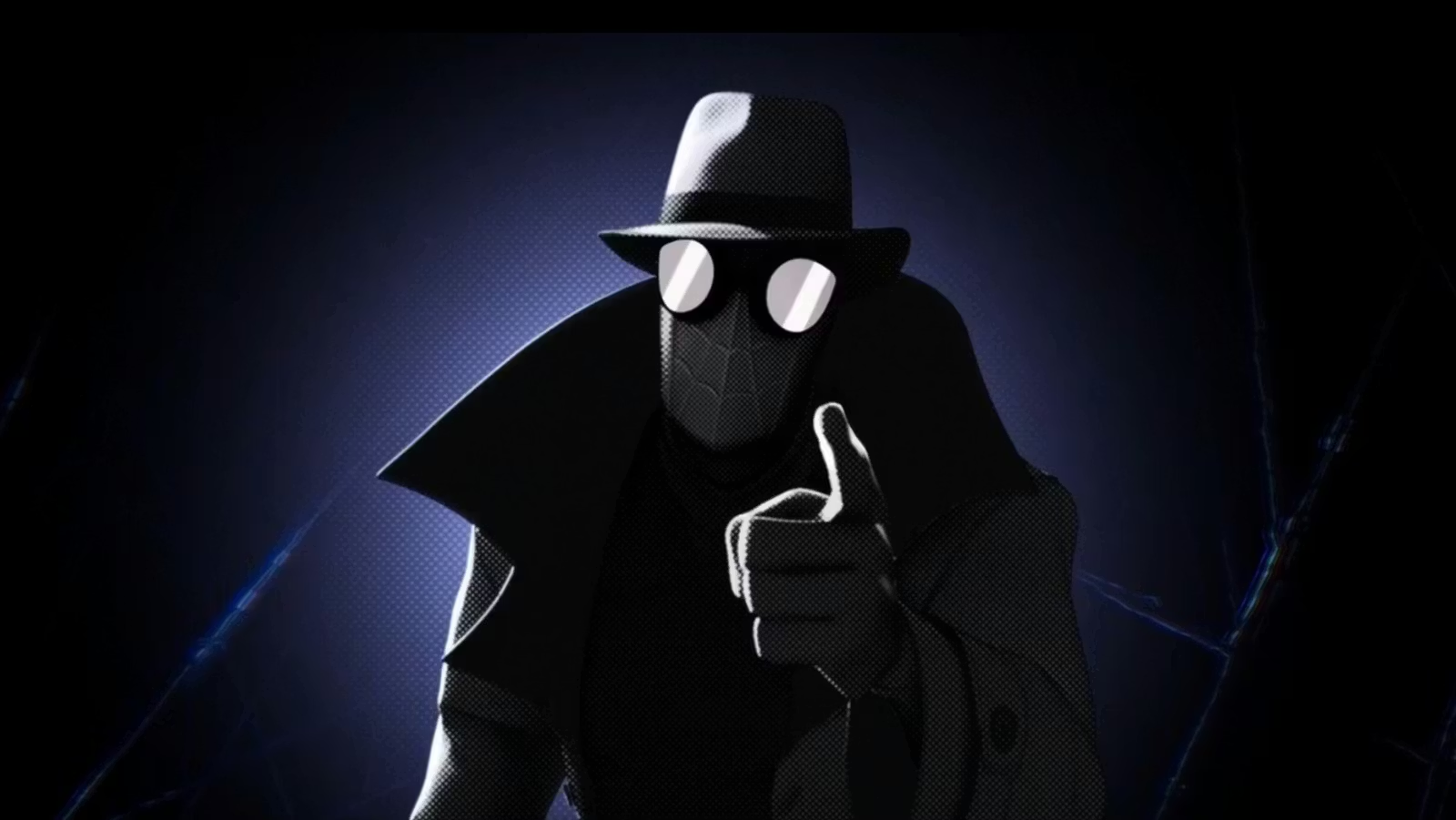
Spider-Noir stands out as one of Marvel’s most inventive and intriguing reinterpretations of the Spider-Man mythos. Set against the backdrop of the 1930s, this character seamlessly blends classic superhero storytelling with the mood, tension, and stylistic flair of a hard-boiled gumshoe. At the heart of this transformation are Spider Noir powers, which distinctly separate this incarnation from the mainstream, brightly colored Spider-Man. Unlike the traditional hero, who relies on high-flying stunts and acrobatic displays, Spider-Noir operates primarily in shadows, leveraging stealth, keen detective instincts, and the strategic use of his Spider Noir power to navigate the dangerous streets and confront criminals.
These Spider Noir powers aren’t just about raw strength or agility; they are finely tuned tools for investigation, surveillance, and tactical combat, perfectly suited for a noir-inspired world. From scaling rooftops silently to detecting hidden threats in dimly lit alleyways, the Spider Noir power allow this version of Spider-Man to thrive in a morally complex, crime-ridden city. The gritty setting of the 1930s not only complements the dark aesthetic of Spider-Noir but also emphasizes how these powers are used with precision, cunning, and subtlety—turning every encounter into a tense, suspense-filled moment.
With his combination of intelligence, stealth, and Spider Noir, Spider-Noir reinvents the traditional superhero template, proving that a darker, more grounded take on Spider-Man can be just as thrilling and iconic as the classic version.
A Noir Reinvention of Marvel Lore
Spider-Noir masterfully reimagines familiar Marvel characters and iconic settings within the gritty, crime-ridden backdrop of the Depression-era 1930s. This reinterpretation emphasizes darkness, moral ambiguity, and a tension-filled atmosphere that is characteristic of classic noir storytelling. Central to this transformation are Spider Noir powers, which elevate the character beyond a standard superhero archetype. Unlike traditional Spider-Man, whose abilities often focus on spectacular feats, Spider Noir power are crafted for stealth, intelligence gathering, and methodical confrontation of criminals, perfectly aligning with the investigative demands of a noir protagonist.
In this Depression-era world, every rooftop chase, shadowy alleyway, and clandestine investigation relies heavily on Spider Noir powers. They are not merely tools of combat; they are instruments for observation, strategic maneuvering, and survival in a city rife with corruption and danger. By emphasizing these powers, Spider-Noir feels both familiar and strikingly different—combining superheroic skill with the cunning, resourcefulness, and subtlety required of a 1930s detective. Through the use of Spider Noir, the narrative maintains suspense and intrigue, turning every encounter into a calculated, edge-of-your-seat moment that distinguishes Spider-Noir as a unique and compelling figure within the Marvel multiverse.
Understanding Spider Noir Powers
At the heart of Spider-Noir’s enduring appeal are his uniquely adapted Spider Noir powers, which set him apart from any other iteration of Spider-Man. These powers are not only functional but also integral to the character’s noir-inspired storytelling, allowing him to operate effectively in the shadowy, crime-ridden streets of the 1930s.
Key Spider Noir powers include:
-
Enhanced agility and reflexes: Perfectly tailored for stealth missions, these abilities allow Spider-Noir to move silently across rooftops, scale walls unseen, and evade enemies with precision that feels grounded and realistic.
-
Heightened senses: Spider Noir heighten his awareness of danger, making him capable of detecting subtle threats in dimly lit alleys, abandoned warehouses, and other shadow-filled environments.
-
Web-slinging adapted for stealth: Unlike the traditional Spider-Man, Spider-Noir uses his web-slinging ability for quiet rooftop navigation, reconnaissance, and tactical positioning rather than dramatic entrances or flashy stunts.
-
Combat skills refined for realism: Spider Noir powers include hand-to-hand combat techniques that blend classic Spider-Man agility with a practical, gritty approach suited to the dangers of a 1930s urban landscape.
Beyond physical abilities,
serve as narrative devices that reinforce the detective-style tone of the series. They allow writers to craft suspenseful, tightly plotted sequences where Spider-Noir uses his agility, senses, and wits to uncover conspiracies, outmaneuver criminals, and solve mysteries. By integrating Spider Noir powers into every action and investigation, the character becomes a fully realized noir hero, highlighting how his abilities are both practical and thematically essential to the storytelling.
How Spider-Noir Powers Shape Storytelling
The unique Spider Noir play a crucial role in shaping how writers and artists approach storytelling in the Spider-Noir universe. These powers are not just physical abilities—they influence the pacing, mood, and visual composition of every scene. Suspense, shadow, and urban grit become central to plot development, as the narrative leverages Spider Noir powers to heighten tension and emphasize the noir atmosphere.
Whether Spider-Noir is stealthily following a suspect across rooftops, surveilling a dangerous mob operation, or uncovering a hidden criminal conspiracy, his Spider Noir guide both action and narrative structure. Writers use these abilities to craft moments of anticipation, suspense, and surprise, ensuring that every encounter feels grounded in the harsh realities of a 1930s urban environment.
Artists, too, adapt their visual storytelling to highlight Spider Noir powers, emphasizing stealthy movements, calculated acrobatics, and the interplay of light and shadow across the cityscape. The result is a universe where Spider Noir are fully integrated into the storytelling—balancing realistic stakes with the excitement of superhero action. These powers define Spider-Noir not just as a hero, but as a de
Visual Style and Aesthetic
The depiction of Spider-Noir visually places strong emphasis on his Spider Noir powers, making them a defining aspect of both his character and the comic’s aesthetic. Dark, muted costumes, rain-soaked streets, moody cityscapes, and heavy shadows all reinforce the gritty detective noir tone, providing the perfect backdrop to showcase his abilities. In every panel, Spider Noir powers are highlighted through stealthy movements, precise acrobatics, and the dramatic impact of well-timed maneuvers that allow him to evade enemies and navigate perilous urban environments.
Artists use lighting, perspective, and composition to make Spider Noir feel dynamic and integral to the story. From silently traversing rooftops to shadowing a suspect in dim alleyways, each illustration demonstrates how his powers are not just functional but central to the narrative’s suspense. The interplay of visual style and Spider Noir powers transforms ordinary action sequences into tense, cinematic moments, reinforcing the idea that his abilities are essential to his identity as both a superhero and a detective. By integrating Spider Noir into every visual element, the comics create a cohesive universe where his abilities are inseparable from the story’s atmosphere, tension, and stylistic impact.
Comparison with Classic Spider-Man Powers
Traditional Spider-Man often relies on colorful displays, acrobatic stunts, web-swinging across bright cityscapes, and a generally lighter, more optimistic tone. In stark contrast, Spider Noir powers are grounded, tactical, and deeply shadow-oriented, reflecting the darker, grittier world of 1930s crime and corruption. These powers emphasize stealth, heightened senses, and strategic use of agility, allowing Spider-Noir to move silently across rooftops, navigate dimly lit alleys, and respond effectively to threats without relying on flashy theatrics.
This shift in focus allows the character to operate believably within a Depression-era setting, where danger is constant, and subtlety is often more effective than raw strength. By integrating Spider Noir powers into his investigative and combat techniques, Spider-Noir blends classic superhero abilities with detective realism, creating a compelling and immersive version of Spider-Man. Unlike the traditional hero, who dazzles with spectacle, Spider-Noir leverages his powers to solve crimes, gather intelligence, and survive in a morally complex world, making Spider Noir powers central to both his identity and the narrative’s tone.
Key Story Arcs Highlighting Spider Noir Powers
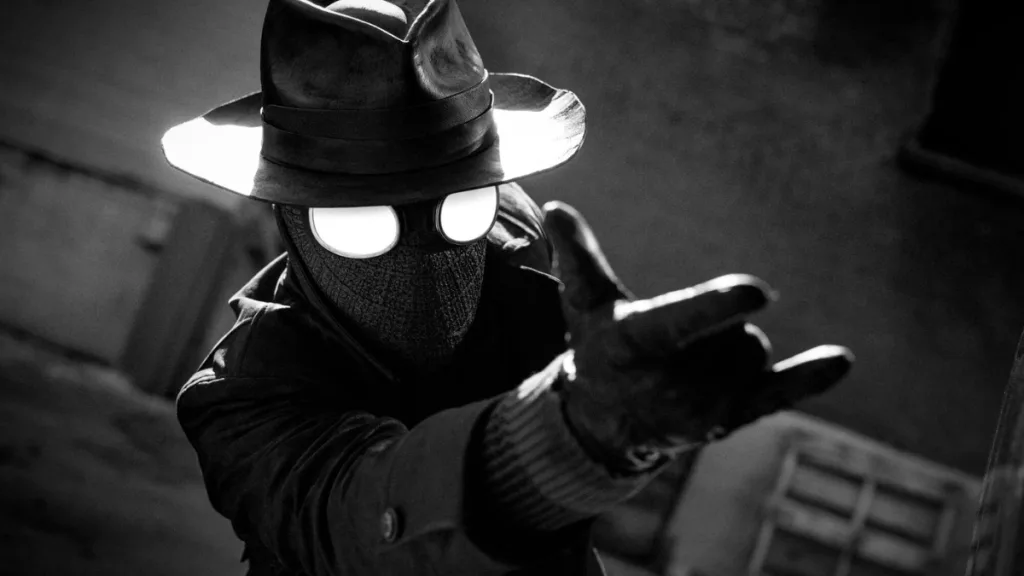
Several story arcs in the Spider-Noir comics uniquely showcase the versatility and importance of Spider Noir powers, highlighting how they define both action and character development. In one arc, Spider-Noir uses his powers to investigate a series of underworld crimes, relying on stealth, observation, and heightened senses to gather crucial information without being detected. These sequences emphasize how Spider Noir powers are as much about intelligence and strategy as they are about physical prowess.
In another storyline, Spider-Noir confronts corrupt officials and mob bosses, employing his agility, combat skills, and tactical thinking to dismantle criminal operations. Here, Spider Noir powers are showcased in dynamic action scenes that blend detective realism with superhero spectacle, demonstrating how the character adapts his abilities to suit the morally complex world around him.
Additionally, Spider-Noir frequently uses his powers creatively to escape traps, pursue justice, and outsmart adversaries without drawing unnecessary attention. Each of these moments highlights how Spider Noir powers are not just abilities—they are an essential extension of his identity, shaping his approach to heroism and problem-solving. Across multiple arcs, Spider-Noir’s powers define the tone, strategy, and suspense of the narrative, reinforcing why these abilities are central to both storytelling and the character’s unique appeal in the Marvel Noir universe.
Influence on the Marvel Multiverse
Spider Noir powers have not only defined the Spider-Noir universe but have also inspired numerous alternate universe interpretations of Spider-Man across media. By grounding his abilities in a noir context, these powers highlight stealth, tactical thinking, and detective-style problem-solving, offering a fresh perspective on the classic hero. Video games, animated features, and spin-off stories have all drawn from the concept of Spider Noir powers, emphasizing how a darker, more grounded approach to Spider-Man’s skill set can create compelling new narratives.
The noir aesthetic, combined with Spider Noir powers, allows creators to explore scenarios that wouldn’t fit the traditional, colorful Spider-Man universe. For instance, stealth-focused gameplay in video games or shadow-heavy cinematography in animated adaptations leverages Spider Noir powers to craft suspenseful, immersive experiences. Fans have responded positively to these reinterpretations, as Spider Noir powers provide a balance of superhero spectacle and detective realism, keeping the stories engaging and innovative.
Ultimately, the influence of Spider Noir powers demonstrates the versatility of Spider-Man as a character. By adapting his classic abilities to fit the moral ambiguity, grit, and suspense of a noir setting, Spider-Noir has expanded the possibilities of storytelling within the Marvel multiverse, proving that reimagined powers can refresh even the most iconic heroes.
Fan Reception and Cultural Impact
Fans and critics alike have consistently praised Spider-Noir and his Spider Noir powers for offering a bold and fresh reinterpretation of the Spider-Man mythos. The 1930s noir setting, with its gritty urban landscapes, moral ambiguity, and shadow-filled alleyways, perfectly complements the tactical, grounded nature of Spider Noir powers. Unlike traditional Spider-Man abilities that often focus on flashy heroics, these powers emphasize stealth, investigation, and strategic problem-solving, resonating deeply with readers who crave darker and more mature superhero stories.
The combination of setting and Spider Noir powers creates a unique narrative tone where suspense, tension, and grounded action take center stage. Fans appreciate how these powers are not just physical tools but also narrative devices, enabling Spider-Noir to navigate complex criminal conspiracies, outwit adversaries, and maintain the morally nuanced perspective of a detective hero. By integrating Spider Noir powers so seamlessly into the character and story, the series delivers a Spider-Man experience that feels both innovative and faithful to the essence of the hero, solidifying Spider-Noir as a fan-favorite and critical success within the Marvel multiverse.
Lessons from Spider Noir Powers for Storytelling
Writers and storytellers can draw valuable lessons from Spider-Noir when considering how to adapt traditional superhero abilities into alternate settings. Spider Noir powers demonstrate that context, tone, and genre can completely redefine familiar abilities, transforming them to suit a darker, more grounded narrative. In Spider-Noir’s 1930s setting, these powers are not just about superhuman agility or strength—they are tactical tools for stealth, investigation, and problem-solving, showing how classic superhero traits can be reshaped to fit a noir universe.
By focusing on Spider Noir powers, creators see that familiar abilities take on new meaning when aligned with thematic storytelling. For instance, heightened senses, web-swinging, and combat skills are used strategically, emphasizing detective work, suspense, and realistic stakes rather than flashy heroics. This approach inspires writers to rethink how powers function within a narrative, proving that with the right context, Spider Noir powers can enrich both character development and plot, while opening new avenues for creative storytelling.
Ultimately, Spider-Noir provides a blueprint for adapting superhero powers innovatively, showing that Spider Noir powers are as much about narrative function and atmosphere as they are about spectacle.
FAQ Section: Spider Noir Powers
1. What are Spider Noir powers?
Spider Noir powers are the unique abilities of Spider-Noir, including enhanced agility, heightened senses, web-slinging adapted for stealth, and combat skills suited to a 1930s detective setting.
2. How are Spider Noir powers different from classic Spider-Man powers?
While classic Spider Man emphasizes colorful, high-flying heroics, Spider Noir powers are grounded, stealth-oriented, and tactical, designed for a gritty noir world.
3. Why do Spider Noir powers suit a 1930s setting?
The powers are adapted for stealth, investigation, and survival in a crime-ridden, shadowy urban environment, fitting the noir genre’s tone and atmosphere.
4. Can Spider Noir powers be used in other Marvel universes?
Yes, Spider Noir powers have inspired alternate universe stories, video games, and spin-offs, showing how the noir take can refresh Spider-Man lore.
5. Do Spider Noir powers include super strength?
Yes, but it is used more subtly for combat and tactical maneuvers rather than dramatic showmanship.
6. Are Spider Noir powers more tactical than traditional Spider-Man abilities?
Absolutely. They emphasize strategy, observation, and subtlety, reflecting the detective-style storytelling of Spider-Noir.
7. How do Spider Noir powers influence storytelling?
They allow for suspenseful, grounded narratives, highlighting stealth, investigation, and moral ambiguity, which are hallmarks of noir fiction.