
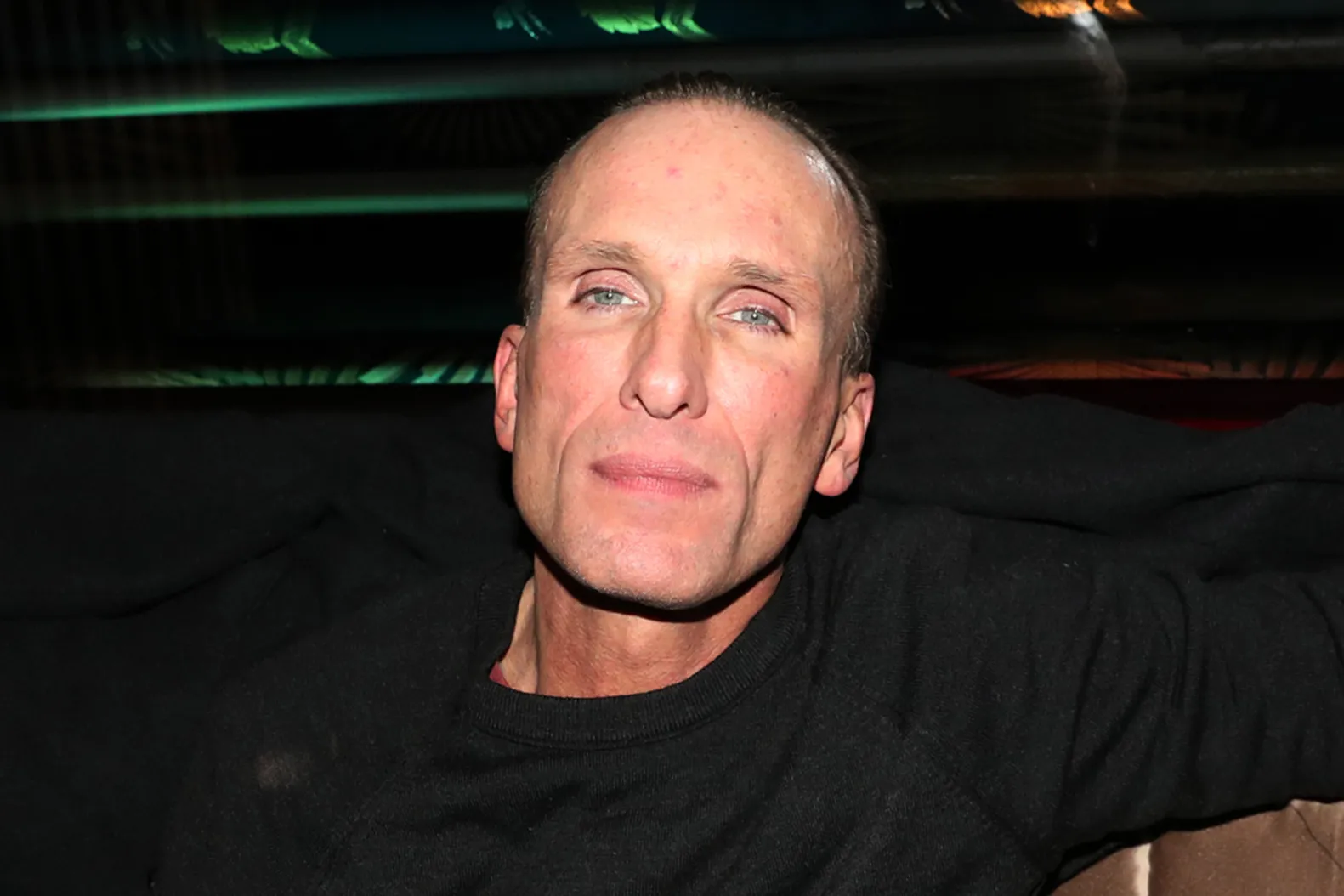
The entertainment industry is mourning the loss of Peter Greene after officials confirmed that Peter Greene died from an accidental gunshot wound. The veteran character actor, best known for his unforgettable role in Pulp Fiction, was found dead in his New York City apartment earlier this year. Two months after the initial discovery, the official cause of death has now been released, bringing clarity to fans and colleagues who were waiting for answers.
According to the New York City Office of Chief Medical Examiner, Peter Greene died from an accidental firearm injury that resulted in severe blood loss. Authorities ruled the manner of death accidental and emphasized that no foul play was suspected. The announcement ends weeks of speculation that followed the tragic discovery in his apartment.
Officials stated that the injury involved damage to a major artery, which led to rapid and fatal blood loss. The investigation included forensic examination and a review of the scene before the final determination was made. Law enforcement authorities reiterated that there were no signs of criminal activity or external involvement. The confirmation provides closure to family members and fans who had been awaiting verified information.
Throughout his career, Peter Greene built a reputation as a powerful character actor known for portraying intense and complex roles. While headlines now focus on the circumstances of his passing, many in the film community are choosing to remember his contributions to cinema. His performances, particularly in crime dramas of the 1990s, remain impactful and continue to resonate with audiences.
How Peter Greene Was Found
When news first broke that Peter Greene had been found unresponsive inside his New York City residence, many questions remained unanswered. Neighbors reportedly contacted authorities after noticing unusual circumstances, prompting a welfare check. During that check, officials discovered Peter Greene deceased inside the apartment.
At the time, authorities confirmed only his passing and did not disclose further details. The delay in releasing information fueled speculation across media platforms. Fans searched for updates, and the name him began trending as tributes poured in online.
Two months later, the medical examiner completed a full forensic evaluation. The official report confirmed that Peter Greene died from an accidental shooting, clarifying that the injury damaged a major artery and led to fatal blood loss.
Peter Greene’s Rise in Hollywood
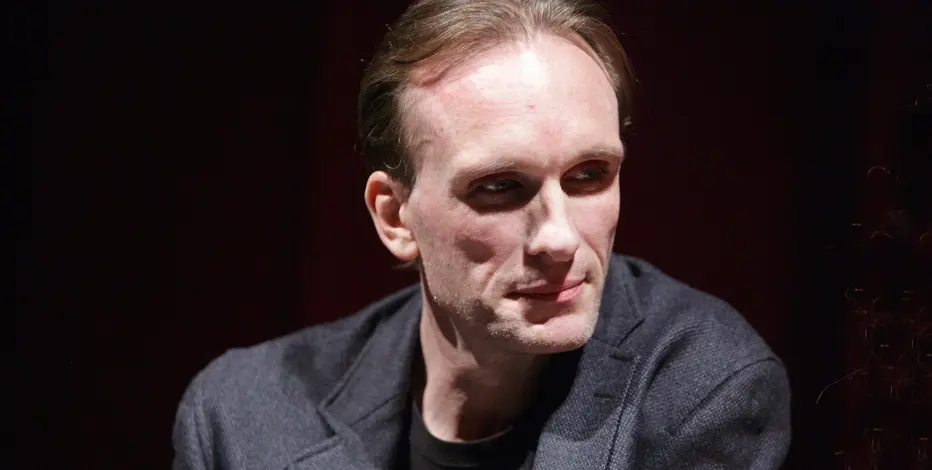
Before becoming widely known, Peter Greene’s path to Hollywood success was anything but ordinary. Born in the United States, he did not initially follow a traditional acting route. Like many performers, Peter Greene worked various jobs before pursuing acting full-time.
His breakthrough came in the early 1990s when he began landing supporting roles in crime dramas and independent films. Directors quickly recognized his intense screen presence. Peter Greene had a rare ability to portray characters who felt raw, dangerous, and emotionally complex.
His career-defining moment arrived with Pulp Fiction, directed by Quentin Tarantino. In the film, he portrayed Zed, a character whose disturbing presence left a lasting impact on audiences. Though his screen time was limited, the role became one of the most talked-about performances in the film.
Expanding Beyond One Iconic Role
While many fans associate Peter Greene primarily with Pulp Fiction, his career extended far beyond a single film. In 1994, he also appeared in The Mask, starring opposite Jim Carrey. In this superhero comedy, he played Dorian Tyrell, the film’s main antagonist.
This performance demonstrated his versatility. Unlike the dark realism of Pulp Fiction, The Mask required a more stylized and exaggerated villain. He embraced the role fully, proving that he could adapt to different genres while maintaining his signature intensity.
Throughout his career, Peter Greene appeared in nearly 100 film and television projects. From crime thrillers to television dramas, he built a reputation as one of Hollywood’s most compelling character actors.
The Official Cause of Death Explained
The confirmation that he died from an accidental gunshot wound came after extensive investigation. Officials determined that the injury occurred in a manner consistent with an accidental discharge. The bullet reportedly damaged a critical artery, leading to rapid blood loss.
Authorities emphasized that there was no evidence of criminal involvement. The ruling provided closure to family, friends, and fans who had been waiting for definitive answers regarding Peter Greene.
The tragic nature of the accident has prompted renewed discussions about firearm safety and the unpredictability of life. While the news is heartbreaking, the official confirmation has helped prevent misinformation from spreading further.
Industry Reaction to Peter Greene’s Death
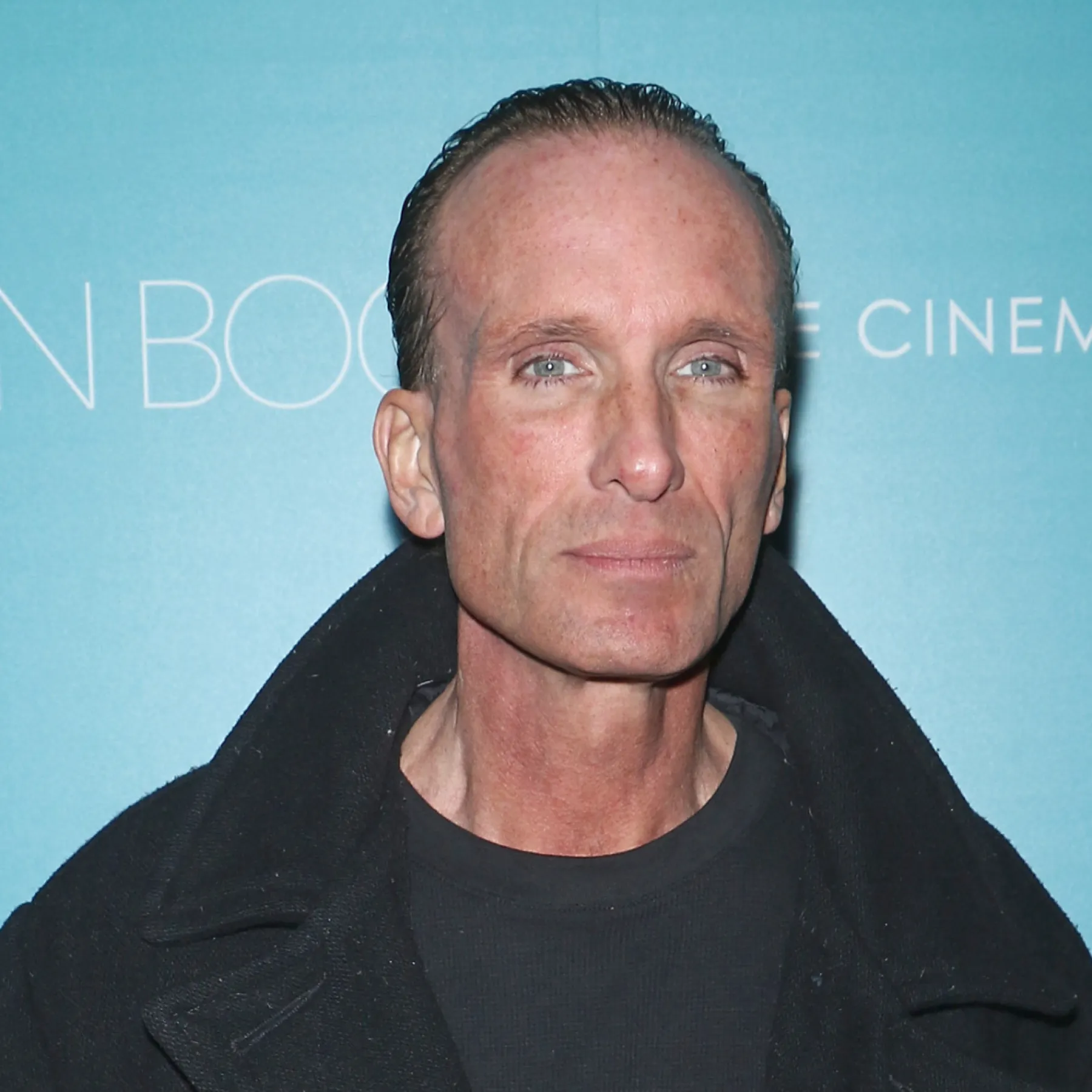
Following confirmation that Peter Greene died from an accidental shooting, tributes from across the entertainment industry began circulating widely. Co-stars, directors, and fellow actors shared memories of working alongside him.
Many described him as deeply committed to his craft. Although he frequently portrayed villains and intense characters, those who knew him personally often spoke about his thoughtful and reflective personality off-screen.
Fans revisited his most memorable scenes, especially from Pulp Fiction and The Mask. Social media timelines were filled with clips and quotes honoring him and celebrating his impact on film.
The Legacy of Peter Greene
While headlines focus on the tragic confirmation that Peter Greene died from an accidental gunshot wound, his artistic legacy tells a much larger story. Over decades in the industry, he carved out a unique space for himself as an actor willing to take creative risks.
His performances were rarely subtle background roles. Even when he appeared in supporting parts, Peter Greene commanded attention. His facial expressions, voice delivery, and physical presence brought authenticity to every project.
Film historians often credit the 1990s crime film movement with redefining modern cinema. Peter Greene played a small but meaningful part in that transformation. His portrayal of dark, morally complex characters aligned perfectly with the gritty storytelling style that defined that era.
A Career That Inspired Aspiring Actors
For aspiring actors, He serves as an example of how character roles can leave a lasting impact. He was not always the leading man, but he made every role memorable. Acting schools and film enthusiasts continue to analyze his performances to understand how subtle intensity can elevate a scene.
The fact that he died unexpectedly has led many to reflect on how quickly life can change. His passing has sparked renewed appreciation for his work, with streaming platforms seeing increased interest in films he appeared in.
Beyond the Headlines
It is important to remember that Peter Greene was more than the tragic circumstances of his death. While the confirmation that he died from an accidental shooting has dominated recent news cycles, his life included decades of artistic contribution.
Friends and colleagues describe Peter Greene as someone who valued storytelling deeply. He approached each role with preparation and seriousness, often diving into character psychology before stepping onto a set.
Even now, audiences continue discovering his performances. Younger viewers who encounter Pulp Fiction for the first time are often struck by the intensity Peter Greene brought to his role.
Final Reflections on Peter Greene
The official ruling that he died from an accidental gunshot wound has provided closure, but it has also reminded many of the fragility of life. Hollywood has lost a distinctive and fearless performer.
He leaves behind a filmography that will continue to resonate with audiences for years to come. His impact on 1990s cinema, particularly in crime and thriller genres, remains undeniable.
As fans reflect on his career, it becomes clear that Peter Greene’s legacy is defined not by the tragic headline but by the unforgettable performances he delivered. His work lives on through the films that continue to inspire, entertain, and provoke thought.
Though Peter Greene died too soon, his contribution to cinema ensures that his presence will never truly fade from the screen.