
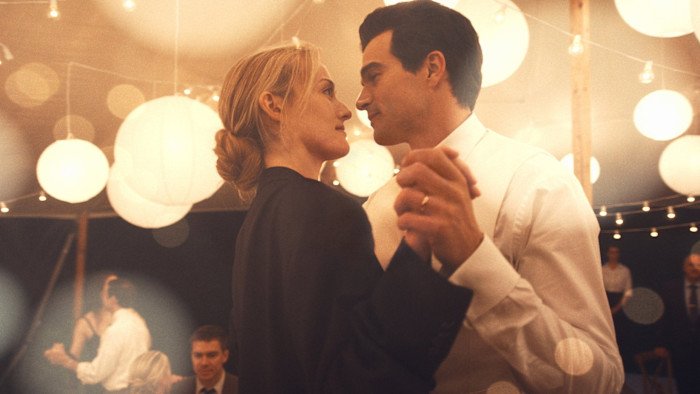

The third episode of Love Story does more than simply recount the public milestones of Jacqueline Kennedy Onassis’s later years—it delves deeply into her private world, offering a rare glimpse at the emotions, choices, and sacrifices that defined her final days. By focusing on Love Story JFK Jr, the series brings the mother-son relationship to the forefront, showing how this bond provided both comfort and strength during times of personal loss and public pressure.
Audiences see how Jacqueline’s life after the White House was not merely a continuation of her public persona, but a period of introspection, careful decision-making, and intense dedication to her children. JFK Jr., as her only surviving son, becomes a lens through which viewers can understand her priorities, her vulnerabilities, and the ways in which she balanced fame with family. The narrative emphasizes that while Jacqueline remained a cultural icon, her most profound role in these years was that of a mother, navigating the complexities of love, protection, and emotional guidance.
Through intimate storytelling, the episode of Love Story JFK Jr highlights the subtle moments that defined their relationship: quiet conversations, shared memories, and Jacqueline’s unwavering commitment to her son’s wellbeing. These personal touches make the historical figure relatable, showing that behind the glamour and public attention, Jacqueline Kennedy Onassis experienced the same joys, fears, and heartaches that shape all parent-child relationships.
Moreover, by centering the narrative on Love Story JFK Jr, the series underscores the enduring impact of family legacy. Jacqueline’s careful attention to JFK Jr.’s upbringing ensured he grew into a confident, compassionate, and responsible young man, capable of navigating both personal and public life. The storytelling captures how her love, guidance, and resilience not only shaped his character but also left a lasting imprint on the Kennedy family’s place in American cultural memory.
In essence, framing the episode around Love Story JFK Jr transforms a historical account into an emotionally resonant journey. It allows viewers to connect with Jacqueline Kennedy Onassis on a human level—beyond her public image, beyond the tragedies she endured—and to witness the profound love and devotion that defined her final years. This intimate portrayal cements the episode as both a tribute to her enduring legacy and a celebration of the special bond between mother and son.
Jacqueline Kennedy Onassis: A Life of Grace and Resilience
Jacqueline Kennedy Onassis’s later years were a period of profound reflection, where she carefully navigated the tension between public attention and private life. Even decades after the tragic assassination of President John F. Kennedy, she maintained her trademark poise, grace, and sense of dignity. The third episode of Love Story offers an intimate look into these final years, capturing moments that highlight both her resilience and her vulnerabilities. By framing much of the narrative through Love Story JFK Jr, the series allows viewers to witness how Jacqueline’s identity as a mother and her devotion to her children shaped her life after the White House.
Through a combination of personal letters, archival footage, and interviews with those who knew her best, the episode provides unique insights into Jacqueline’s relationship with her only surviving son, JFK Jr. The portrayal emphasizes that her love for him was not just maternal affection but also a guiding force that influenced her choices, her public engagements, and her personal priorities. Moments captured in Love Story JFK Jr reveal a woman who, despite immense public scrutiny, found comfort and purpose in nurturing her son, ensuring he grew up with strong values, a sense of history, and the emotional support only a devoted mother could provide.
The series highlights that Jacqueline’s private world—rarely seen in historical accounts—was rich with love, personal reflection, and intimate bonds. By centering Love Story JFK Jr, audiences gain a window into the softer, more human side of a woman often remembered for her elegance and public image. The episode shows that behind the headlines and public appearances, Jacqueline Kennedy Onassis was navigating a deeply personal journey: mourning loss, guiding her children, and finding moments of peace amid a life defined by extraordinary events.
Through this lens, Love Story JFK Jr becomes more than a historical recounting; it transforms into a moving exploration of motherhood, legacy, and emotional resilience. Viewers are invited to connect with Jacqueline not merely as a figure of history, but as a mother whose bond with her son shaped her final years and left a lasting impression on those who continue to study and admire her life today.
Love Story JFK Jr: The Central Relationship
The narrative of Love Story JFK Jr is central to understanding Jacqueline Kennedy Onassis’s emotional world during her later years. JFK Jr., the only surviving son of Jacqueline and President John F. Kennedy, was more than just a child to her—he was a source of profound joy, emotional grounding, and a constant reminder of the family she had fought to protect and guide. The third episode of Love Story carefully explores this relationship, showing how the bond between mother and son influenced nearly every aspect of Jacqueline’s life, from her professional choices to her personal routines.
Through the lens of Love Story JFK Jr, viewers gain insight into how Jacqueline’s maternal devotion shaped her decisions. Her careful navigation of public appearances, media attention, and professional engagements was always informed by her desire to provide JFK Jr. with a stable, loving environment. Whether choosing which events to attend, managing interviews, or taking time for private family moments, Jacqueline prioritized her son’s well-being above all else. The series makes it clear that her love was both protective and empowering, allowing JFK Jr. to grow with confidence while remaining grounded in the Kennedy family’s legacy.
Key moments in Love Story JFK Jr capture the authenticity of their relationship. Scenes of shared laughter, quiet conversations, and mutual admiration reflect the deep respect and emotional connection between mother and son. The series also illustrates how Jacqueline leaned on JFK Jr. for support during difficult periods, while simultaneously providing him with guidance, wisdom, and encouragement. This reciprocal relationship is presented with care and nuance, emphasizing that their bond was not only familial but deeply formative for both of their lives.
By centering the episode on Love Story JFK Jr, the series transcends a standard historical recounting. It becomes an intimate portrait of love, trust, and resilience, showing audiences that the most defining moments of Jacqueline Kennedy Onassis’s later years were those spent nurturing and cherishing her son. The depiction resonates widely because it humanizes an iconic figure, portraying a mother who, despite immense public pressure, devoted herself wholeheartedly to her child, leaving a lasting emotional and cultural impact.
The Emotional Weight of Jacqueline’s Final Days
Jacqueline Kennedy Onassis’s final days were shaped not only by the physical challenges of aging but by the profound emotional weight of reflecting on family, legacy, and personal loss. The third episode of Love Story delves into these deeply personal moments, providing viewers with a nuanced portrait of a woman balancing public expectation with private grief. Through the lens of Love Story JFK Jr, the series emphasizes the pivotal role her son played in providing comfort, inspiration, and purpose during this period of her life.
Intimate interviews with close friends, family members, and historians enrich the narrative, offering perspectives that bring Jacqueline’s emotions to life. These insights highlight how her bond with JFK Jr. served as an anchor amid turbulent circumstances, reinforcing the central theme of love as a sustaining force. The episode portrays their relationship as one built on trust, mutual respect, and enduring affection—an emotional core that shaped Jacqueline’s final years.
By focusing on Love Story JFK Jr, the storytelling underscores the universality of grief, love, and familial devotion. Audiences witness a mother navigating the bittersweet realities of loss while maintaining a public image of elegance and composure. Jacqueline is depicted not merely as an iconic historical figure but as a woman experiencing the same depth of emotion that resonates with viewers—grief, pride, hope, and unwavering maternal love.
The episode also explores the interplay between her public and private identities. Even as she remained a figure of international fascination, her connection with JFK Jr. reveals her humanity and vulnerability. The series portrays how these intertwined identities influenced her decisions, shaped her interactions with the world, and left an enduring mark on those around her.
Ultimately, Love Story JFK Jr transforms a historical biography into a deeply personal and relatable narrative. It allows audiences to connect with Jacqueline Kennedy Onassis on a human level, understanding that behind the elegance and public scrutiny was a mother whose love for her son guided her final days and solidified her lasting legacy.
Balancing Public Persona with Private Life

One of the central themes explored in Love Story JFK Jr is the delicate tension between Jacqueline Kennedy Onassis’s public image and her private reality. Even in her final years, she remained a figure of immense public fascination, her every move scrutinized by media and admirers alike. The episode examines how Jacqueline managed this dual existence with remarkable grace, protecting her children—especially JFK Jr.—while navigating the pressures of fame and public expectation.
Through rare archival footage, personal letters, and first-hand accounts from friends, family, and historians, Love Story JFK Jr offers viewers an intimate look at the strategies Jacqueline employed to maintain her privacy. The series highlights how she carefully curated her public appearances, engaged in philanthropic work, and preserved private family moments, all without compromising her personal dignity or the emotional well-being of her children. These glimpses reveal a woman who, despite global attention, prioritized love, family, and personal values over public opinion.
The episode also emphasizes how this balancing act shaped the emotional core of Love Story JFK Jr. Jacqueline’s ability to navigate the fine line between public expectation and private devotion underscores her resilience and poise. By showcasing her thoughtful decision-making, the series not only chronicles her life but also provides an inspiring example of discretion, emotional intelligence, and strength under pressure.
Ultimately, the portrayal in Love Story JFK Jr allows audiences to see Jacqueline Kennedy Onassis not only as an iconic public figure but also as a mother, protector, and individual navigating complex emotional terrain. The episode reinforces the timeless relevance of her story, illustrating how love, loyalty, and careful stewardship of family relationships remained central to her life—even amidst constant public scrutiny.
Legacy of Love: JFK Jr. and the Kennedy Family
The episode situates Love Story JFK Jr firmly within the broader context of the Kennedy family legacy, highlighting the interplay between personal devotion and historical significance. Jacqueline Kennedy Onassis’s unwavering commitment to her son ensured that JFK Jr. grew up with a profound understanding of his family’s history, values, and responsibilities. Through carefully curated archival material, interviews, and reflective storytelling, the series emphasizes how Jacqueline’s guidance helped shape JFK Jr. into a confident, thoughtful, and compassionate individual.
Moments featured in Love Story JFK Jr show Jacqueline balancing her maternal instincts with the pressures of public life. From attending social and cultural events together to sharing quiet, private moments, these vignettes illustrate how her love and mentorship were integral to JFK Jr.’s development. The series underscores that her influence extended far beyond basic parenting—it was about instilling a sense of identity, resilience, and personal responsibility in a child destined to grow up under global scrutiny.
By exploring these milestones, Love Story JFK Jr weaves a layered narrative that resonates on multiple levels. History enthusiasts gain insight into the personal dimensions of one of America’s most iconic families, while general audiences connect with the universal themes of love, guidance, and parental devotion. The episode demonstrates that Jacqueline’s final days were not simply a period of reflection but a time of active engagement, nurturing a legacy that extended through her son and the family as a whole.
Ultimately, Love Story JFK Jr transforms what could have been a historical biography into a moving exploration of maternal love and legacy preservation. It shows that even in the midst of public attention, Jacqueline Kennedy Onassis’s most defining role remained that of a mother, ensuring her son was prepared to carry forward the values and ideals of the Kennedy family. The episode affirms that the emotional bond between mother and son was as powerful and enduring as the historical legacy they both inherited.
Historical Context and Cultural Impact
The third episode of Love Story does not shy away from placing Jacqueline Kennedy Onassis’s final days in historical context. It examines the cultural, political, and social climate of the time, offering viewers a holistic understanding of her life and decisions.
Through the lens of Love Story JFK Jr, audiences witness how a prominent family navigates grief, societal expectation, and public scrutiny. The series underscores the resilience of Jacqueline as she handled personal loss while maintaining grace in the public eye, a theme that resonates in contemporary discussions about family, fame, and mental health.
Critical Reception and Audience Response
Since its release, the episode centered on Love Story JFK Jr has received widespread acclaim from both critics and audiences. Reviewers have praised the series for its intimate storytelling, emotional depth, and the careful balance it strikes between historical accuracy and compelling narrative. By focusing on the personal dimensions of Jacqueline Kennedy Onassis’s life, the episode elevates Love Story JFK Jr beyond a standard historical recounting into a deeply moving exploration of family, love, and legacy.
Audiences have responded particularly positively to the portrayal of Jacqueline’s bond with her son. The series captures small, poignant moments—from shared laughter to quiet, reflective conversations—that emphasize the enduring strength of maternal love. Viewers consistently note that Love Story JFK Jr humanizes one of the most iconic figures in American history, showing her not only as a cultural icon but as a devoted mother navigating both public scrutiny and personal grief.
Social media reactions and online discussions further illustrate the episode’s impact. Fans frequently highlight moments that resonate emotionally, such as Jacqueline guiding JFK Jr. through difficult decisions, celebrating milestones, or offering support during challenging times. These scenes underscore the universal themes of love, sacrifice, and legacy, reinforcing the importance of Love Story JFK Jr as a narrative that is both educational and emotionally compelling.
Moreover, critics have noted that the episode’s strength lies in its careful attention to detail. Archival footage, personal letters, and first-hand accounts provide authenticity, while the narrative structure ensures that viewers feel the emotional weight of Jacqueline’s final years. By presenting the story through the lens of Love Story JFK Jr, the series achieves a balance that appeals to history enthusiasts, pop culture fans, and audiences seeking meaningful human stories.
Ultimately, the acclaim for Love Story JFK Jr highlights its success in transforming a historical biography into an intimate, relatable, and profoundly moving experience. The episode reminds viewers that even public figures, admired worldwide, experience love, grief, and the joys and sorrows of family life. It stands as a testament to Jacqueline Kennedy Onassis’s enduring legacy, her devotion to her son, and the universal resonance of familial bonds.
Conclusion: Love, Legacy, and Reflection
The third episode of Love Story offers a profound exploration of Jacqueline Kennedy Onassis’s final days, with the lens of Love Story JFK Jr providing emotional depth and intimacy. Through meticulous storytelling, archival insights, and thoughtful dramatization, the series honors the life of a woman whose influence continues to shape cultural and historical narratives.
By focusing on her bond with JFK Jr., viewers gain a nuanced understanding of Jacqueline’s resilience, love, and commitment to family. This episode serves as a reminder that behind every public figure lies a deeply personal story—a story of love, loss, and enduring legacy that transcends time.