

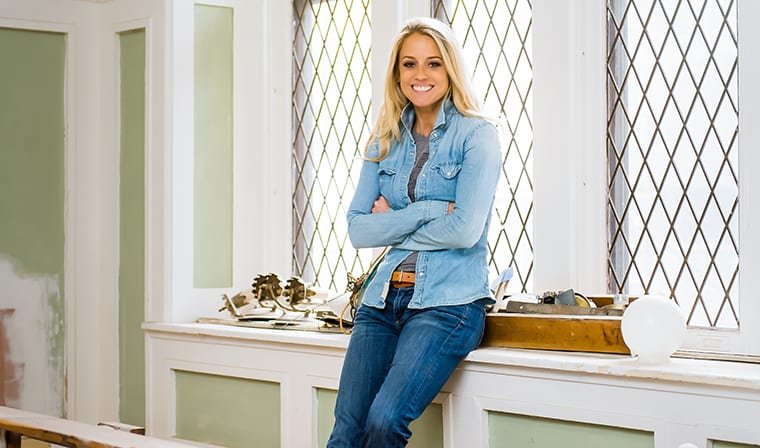
HGTV has officially canceled its long-running home renovation series Rehab Addict after host Nicole Curtis was caught on camera using a racial slur during filming, sparking widespread shock and outrage. The clip quickly circulated online, prompting intense media scrutiny and forcing the network to take swift action to address public concerns. The incident highlights not only the sensitivity around offensive language but also the high standards expected of public figures, especially those with a long-standing platform like Curtis. (People.com)
The cancellation comes at a particularly dramatic moment because new episodes of Rehab Addict were scheduled to air, meaning viewers were anticipating fresh content when the controversy emerged. This timing amplified the impact, leaving fans and critics alike stunned and divided. While some expressed disappointment that the show would end abruptly, others supported HGTV’s decision, seeing it as a necessary step to uphold inclusivity and accountability in media. (People.com)
The situation raises broader questions about responsibility in reality television. As a prominent personality, Curtis’s words and actions on camera carry weight, and the backlash demonstrates how audiences and networks increasingly hold hosts accountable for behavior that is offensive or inappropriate. Moreover, the controversy has sparked discussions about how networks monitor content during filming, enforce policies on language, and respond to public pressure once incidents go viral.
In essence, the cancellation of Rehab Addict is not just a reaction to a single comment — it reflects the modern media landscape where public accountability, cultural sensitivity, and corporate responsibility intersect, and where a single mistake can have far-reaching consequences for both a show and its star.
What Happened: A Moment Caught on Camera
The controversy surrounding Rehab Addict erupted when production footage from one of the show’s renovation episodes was published online by RadarOnline, drawing immediate attention from both fans and media outlets. In the video, Nicole Curtis is seen struggling with a particularly challenging renovation task, and in a moment of frustration, she utters a racial slur. The clip quickly raised alarm because it was captured on camera, rather than being an isolated, private incident. (Yahoo)
According to multiple reports, Curtis’s use of the offensive word was followed by visible self-shock, highlighting her awareness that the comment was inappropriate. The video snippet shows her reacting with disbelief and attempting to delete or suppress the footage before it could spread. However, in today’s social media-driven environment, attempts to remove content are often futile, and the clip rapidly circulated across platforms. Fans, critics, and advocacy groups were quick to weigh in, sparking widespread outrage and debate about accountability in reality television. (Yahoo)
As the video gained traction, HGTV responded swiftly, announcing the immediate cancellation of Rehab Addict. All existing episodes of the series were removed from the network’s platforms, including streaming services like Discovery+ and HBO Max, effectively ending the show’s run. The network emphasized that the offensive language did not align with HGTV’s values and reaffirmed its commitment to maintaining inclusive and respectful programming. (People.com)
The incident not only brought Rehab Addict to an abrupt end but also sparked a larger conversation about the responsibility of reality TV stars and networks in monitoring content during filming. Viewers highlighted that even unscripted moments can have serious consequences when captured on camera, reinforcing the idea that public figures must always be mindful of their words and actions.
HGTV’s Response: Canceling Rehab Addict
HGTV officially addressed the controversy surrounding Rehab Addict by releasing a formal statement regarding the network’s decision to cancel the show. According to the announcement, HGTV had recently become aware of an offensive racial comment made by Nicole Curtis during the filming of one of the series’ episodes. The network acknowledged that the language used was “hurtful and disappointing to our viewers, partners, and employees,” underscoring the seriousness of the situation. (People.com)
In its statement, HGTV further emphasized that the comment “does not align with the values of HGTV,” highlighting the network’s commitment to inclusivity, diversity, and respect across both its programming and workplace environment. As part of the response, the network took immediate action by pulling Rehab Addict from the airwaves and removing all episodes from streaming platforms, including Discovery+ and HBO Max, as well as other broadcast outlets. This decisive move was intended to send a clear message about the network’s stance on offensive behavior. (Deadline)
The cancellation does more than just affect the planned 2026 episodes — it also casts a shadow over the show’s long-standing legacy. Rehab Addict, which first premiered in 2010, had become a staple of home renovation television, airing nine seasons over the past 15 years across both DIY Network and HGTV. The series had earned a loyal fan base by focusing on historic preservation and thoughtful home restoration, and its abrupt end leaves a gap in HGTV’s programming while also prompting reflection on the show’s cultural and entertainment impact. (People.com)
By removing the series, HGTV not only addressed immediate public outrage but also set a precedent for how networks may handle incidents involving offensive language in reality TV. The decision underscores the increasing importance of accountability in the entertainment industry, particularly for shows with high visibility and long-term fan followings. It also reflects the challenges networks face in balancing a show’s
Nicole Curtis Responds and Apologizes\
Nicole Curtis — the home renovation star behind Rehab Addict, who built a loyal following by restoring historic homes with care and expertise — issued a public apology in the wake of the controversy. Curtis shared her statement both with TMZ and on her personal social media accounts, expressing deep regret over the racial slur and stressing that the offensive word is not part of her regular vocabulary. (TMZ)
In her statement, Curtis said, “I want to be clear: the word in question is wrong and not part of my vocabulary and never has been, and I apologize to everyone.” She emphasized her shame and remorse over the incident and reflected on her long career, noting her gratitude for the 15‑year journey with Rehab Addict. Curtis also stated that her current priorities are focused on family, community, and personal relationships, rather than returning immediately to her professional career. (TMZ)
However, the public response to her apology has been mixed and widely discussed across social media platforms. Some viewers have accepted her statement and acknowledged her remorse, highlighting the difference between a single regrettable moment and a person’s overall character. Others, however, have criticized the apology, questioning its sincerity and pointing out the broader implications of using such language, even unintentionally, on a national platform. Platforms like Reddit and Twitter have become hubs for debate, reflecting ongoing conversations about accountability, privilege, and the responsibilities of public figures in the media. (Reddit)
The situation demonstrates the delicate balance between personal accountability and public perception, especially for stars of long-running shows like Rehab Addict. Curtis’s words may provide some closure, but the controversy underscores how quickly a single on-camera moment can affect careers, fan trust, and the legacy of a beloved television series.
Fan Reaction and Social Media Backlash
The cancellation of Rehab Addict immediately ignited a wide-ranging reaction online, as fans, critics, and casual viewers weighed in on the controversy. Many longtime fans expressed deep disappointment, lamenting the abrupt end of a show that had become beloved for its focus on restoring abandoned, historic, and dilapidated homes. For years, Rehab Addict showcased Curtis’s passion for preservation and hands-on renovation, and viewers felt a personal connection to the projects and the stories behind them. The sudden removal of the series left many fans feeling that an important part of home renovation television was gone overnight. (Reddit)
At the same time, others praised HGTV’s swift and decisive action, arguing that the network’s decision to cancel Rehab Addict and remove all episodes from streaming platforms was necessary to uphold ethical standards. Social media users highlighted the growing expectations for networks and celebrities to demonstrate accountability and ensure that offensive language or behavior is addressed immediately, especially when content is widely broadcast.
Discussions across platforms like Reddit and X (formerly Twitter) ranged from debates about intent versus impact to questions about whether Curtis’s slur was a one-time “accidental” slip or a reflection of deeper issues. Some commenters defended Curtis, pointing to her immediate apology and her long career focused on positive contributions to historic home renovation. Others insisted that regardless of intent, offensive language on a public platform cannot be excused and reinforced the idea that public figures must recognize the weight of their words.
The online conversation also reflected broader societal debates about media responsibility, celebrity accountability, and cancel culture. Fans discussed whether a show’s legacy, such as that of Rehab Addict, should be entirely erased due to a single incident or whether networks can find alternative ways to address such controversies while preserving the work and efforts of those involved. Overall, the response demonstrates how a single on-camera comment can spark national dialogue, influence corporate decisions, and reshape the narrative around a beloved television series.
History of Rehab Addict and Its Cultural Footprint
Rehab Addict debuted in 2010 and quickly became one of HGTV’s most popular reality series. Hosted by Nicole Curtis, the show focused on historic preservation and thoughtful restoration of neglected properties in cities such as Detroit and Minneapolis. (The Economic Times)
Over its long run, Rehab Addict gained praise for its approach to sustainable renovation and appreciation of architectural history. The series also led to spin‑offs and specials as Curtis became a recognizable face in home improvement entertainment. (People.com)
The sudden cancellation now marks an abrupt end to a 15‑year legacy, leaving fans and the wider home renovation community reflecting on what the series meant to a generation of viewers. (Deadline)
Broader Industry Implications
Here’s an expanded, detailed, and polished version of your paragraph, adding depth, context, and analysis:
The cancellation of Rehab Addict underscores broader challenges in the television and entertainment industry surrounding accountability, representation, and professional standards for on-screen talent. In recent years, networks have been under increasing scrutiny from viewers, advocacy groups, and media watchdogs to ensure that content aligns with inclusive and culturally sensitive standards. Offensive behavior — whether captured on camera or revealed behind the scenes — is no longer something networks can overlook, and immediate responses are now expected to maintain public trust. (Variety)
HGTV’s decision to remove Rehab Addict from all platforms and terminate Nicole Curtis’s contract is reflective of this broader industry trend. Across television and digital media, networks face heightened pressure to act decisively when incidents involving race, offensive language, or cultural insensitivity occur. In doing so, networks are signaling that ethics and inclusivity outweigh the commercial value of popular shows, even those with long-running legacies and loyal fanbases. (The Hollywood Reporter)
This situation also illustrates a shift in public expectations: viewers are increasingly vocal about holding both networks and personalities accountable, and social media amplifies the speed and intensity of public scrutiny. By taking swift action against Rehab Addict, HGTV is setting a precedent for responsible programming, highlighting that the behavior of hosts and the content they produce reflects directly on the network’s brand and values.
Furthermore, the incident encourages a broader discussion in the industry about training, monitoring, and ethical standards for reality TV stars. While shows like Rehab Addict focus on entertainment, networks are now recognizing the importance of ensuring that cast members understand the impact of their words and actions on diverse audiences. In this context, the cancellation is not just a reaction to a single event but part of a growing pattern where networks balance creativity, popularity, and moral responsibility in today’s media landscape.
What Happens Next?
As of now, HGTV has not announced plans to replace Rehab Addict with a new renovation series, nor has it revealed whether any of the unaired episodes will ever be broadcast in another form. The fate of Curtis’s career in television also remains uncertain after the network’s decision. (People.com)
Nicole Curtis, focusing on family and community in her statement, hinted that she may step back from the spotlight for now. How — or if — she returns to television or the renovation world is an open question that industry watchers and fans will be following closely. (TMZ)
Conclusion
The cancellation of Rehab Addict following Nicole Curtis’s use of a racial slur during filming represents one of the most abrupt and controversial endings in recent reality television history. For a show that had run for over 15 years and earned a loyal following, the sudden removal of all episodes demonstrates how quickly public perception and network decisions can shift in the modern media landscape. HGTV’s swift and decisive action reflects both a commitment to inclusive programming and a recognition of the power of audience reaction amplified by social media, where moments can go viral almost instantly. (People.com)
While Rehab Addict leaves behind a long legacy of architectural preservation, historic home restoration, and engaging storytelling, its cancellation also highlights the fragility of fame and the cultural impact of reality TV stars’ actions. The series had showcased Nicole Curtis’s passion for restoring forgotten homes, earning respect from fans who appreciated her meticulous craftsmanship and commitment to preserving architectural history. Its removal underscores how, in today’s climate, a single on-camera moment can overshadow years of positive work, forcing networks to act swiftly to maintain public trust.
Moreover, the incident emphasizes the broader conversation around responsibility, accountability, and cultural sensitivity in entertainment. Public figures, especially those in highly visible roles like Curtis, are increasingly held accountable not only for their talent and performance but also for the language and behavior they exhibit on and off screen. The cancellation of Rehab Addict demonstrates that networks are willing to make difficult decisions to uphold values, even at the cost of ending a beloved program and disrupting a show’s longstanding audience engagement.
Ultimately, the end of Rehab Addict serves as a cautionary tale for reality TV stars and networks alike. It underscores how instantaneous public feedback, social media scrutiny, and evolving societal standards intersect to influence programming decisions. Curtis’s moment of poor judgment, though regretted, has become a defining part of the show’s history — reminding both creators and audiences that words carry weight, and accountability in media is non-negotiable.