
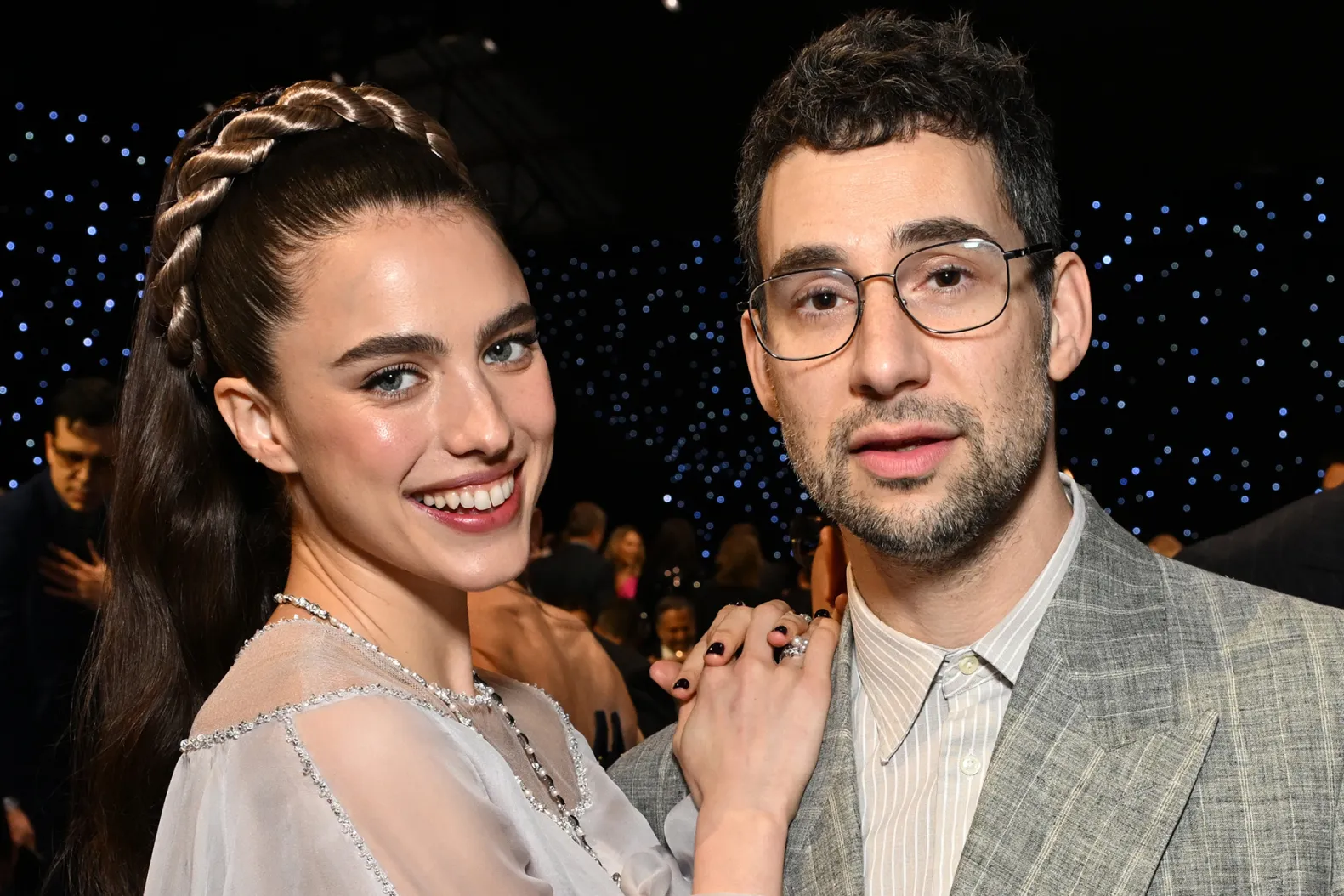
One of the defining aspects of Margaret Qualley’s journey in Hollywood has been her ability to embrace collaboration. For emerging actors, building strong professional relationships is not just about networking—it’s about finding creative partnerships that elevate performance. Working with talented industry figures like Jack Antonoff allowed Margaret Qualley to explore new dimensions of her craft.
Jack Antonoff is widely celebrated for his ability to craft music that enhances emotion and storytelling. In projects where his work intersects with Margaret Qualley’s acting, the presence of Jack Antonoff’s compositions or involvement in the creative process adds layers of nuance to her performances. Whether through a film soundtrack that underscores a tense scene or a moment of introspection, Jack Antonoff’s contributions help convey the subtle emotional beats that define Margaret Qualley’s nuanced approach to acting.
By integrating music, mood, and tone into her performances, Margaret Qualley learned to align her expressions and movements with auditory cues. Jack Antonoff’s guidance and collaborative spirit provided a supportive environment where experimentation and emotional honesty were encouraged. This partnership exemplifies the way actors can benefit from working closely with musicians and producers who understand the interplay between sound and narrative.
Overcoming Hollywood Pressures
Margaret Qualley’s admission that she feared “women would hate me and men would hurt me” speaks volumes about the intense pressures female actors face in Hollywood. Competition, critical scrutiny, and gendered expectations create an environment where vulnerability is often tested. Margaret Qualley’s early concerns were rooted not only in personal insecurities but also in systemic challenges that young actresses routinely navigate.
Collaborating with established artists like Jack Antonoff provided her with a stabilizing influence. Jack Antonoff’s professional demeanor and creative insight offered a sense of security, allowing Margaret Qualley to channel her anxieties into her work rather than letting them undermine her confidence. Their collaborations demonstrate that mentorship and professional support networks are critical for actors facing the high-stakes challenges of Hollywood.
The presence of Jack Antonoff in these creative projects illustrates a broader lesson: vulnerability and fear can be transformed into artistic expression when nurtured in the right environment. For Margaret Qualley, this support not only strengthened her performances but also bolstered her ability to navigate public scrutiny and critical feedback.
The Role of Music in Enhancing Emotional Depth
One of the most compelling aspects of Margaret Qualley’s collaborations with Jack Antonoff is how music amplifies storytelling. Music can transform a scene, turning subtle emotional cues into powerful cinematic moments. When paired with Margaret Qualley’s on-screen presence, Jack Antonoff’s compositions heighten tension, underscore romance, and convey psychological nuance in ways that dialogue alone cannot.
For example, in dramatic sequences where Margaret Qualley portrays intense internal conflict, Jack Antonoff’s music provides a sonic landscape that reflects her character’s emotional state. The layering of musical motifs and ambient sound, crafted by Jack Antonoff, allows audiences to feel the weight of each decision, amplifying the immersive quality of her performances.
This collaboration highlights a key principle for actors: the integration of multiple creative disciplines, like music and cinematography, can elevate a performance from compelling to unforgettable. Margaret Qualley’s work alongside Jack Antonoff exemplifies how interdisciplinary collaboration enriches character portrayal and narrative depth.
How Jack Antonoff Influences Margaret Qualley’s Performances
Margaret Qualley’s collaboration with Jack Antonoff goes beyond the traditional actor-musician dynamic. By working closely with a music producer who understands narrative storytelling, she has learned to align her physicality, timing, and emotional delivery with the rhythm and tone of a scene. Jack Antonoff’s musical input often informs the pacing of her performances, from quiet, introspective moments to high-intensity sequences.
In interviews, Margaret Qualley has acknowledged that having Jack Antonoff involved in her projects provides a creative safety net. Knowing that music and soundscapes are crafted to reflect her character’s emotional state allows her to take risks, explore vulnerability, and experiment with subtle expressions that might otherwise go unnoticed. Jack Antonoff’s ability to translate emotion into music complements her acting, creating a symbiotic relationship that enriches both performance and audience experience.
The Role of Music in Storytelling
One of the defining lessons Margaret Qualley has gained from working with Jack Antonoff is the transformative power of music in storytelling. In contemporary cinema and television, a score can shape audience perception, heighten suspense, or amplify joy. Jack Antonoff’s compositions often serve as an unspoken dialogue between the character and the audience, emphasizing emotional beats that dialogue alone cannot convey.
For Margaret Qualley, integrating these musical cues into her performances requires a deep understanding of timing, subtlety, and emotional resonance. Jack Antonoff’s collaboration allows her to synchronize gestures, facial expressions, and vocal delivery with the musical landscape, producing scenes that feel immersive and emotionally authentic.
Margaret Qualley’s Growth Through Collaboration with Jack Antonoff
Margaret Qualley’s early anxiety about entering Hollywood—her fear that “women would hate me and men would hurt me”—underscores the challenges faced by many young actors. Collaborating with experienced creatives like Jack Antonoff has helped her navigate this pressure. By working closely with a professional who understands storytelling from a musical perspective, Margaret Qualley has learned to trust her instincts while also adapting to the emotional tone of each scene.
Jack Antonoff’s guidance has not only shaped the soundscape of her projects but also influenced her approach to timing, rhythm, and the emotional cadence of her performances. For example, in scenes of quiet introspection or tension, the music designed by Jack Antonoff allows her to modulate subtle facial expressions or pauses, enhancing the narrative without needing explicit dialogue. This level of collaboration shows that performance and music are deeply intertwined, and Margaret Qualley’s ability to integrate them elevates her acting to a new level.
The Role of Music in Margaret Qualley’s Film Work
Music plays a crucial role in how performances are perceived, and producers like Jack Antonoff specialize in creating soundscapes that heighten storytelling. In projects where Margaret Qualley has participated, Jack Antonoff’s music underscores emotional beats, accentuates tension, and allows audiences to feel the protagonist’s inner world more deeply.
For Margaret Qualley, collaborating with Jack Antonoff is more than just working with a musician—it is a partnership that integrates sound and performance to create a cohesive narrative. This collaboration reinforces her ability to convey subtle emotional cues, making her performances in film and television all the more impactful.
Audience and Critical Reception
Audiences have noticed the difference in Margaret Qualley’s work when Jack Antonoff is involved. Critics frequently highlight the emotional precision and depth in her performances, noting that music plays a significant role in shaping these moments. Social media users often comment on the synergy between her acting and Jack Antonoff’s soundscapes, citing how certain scenes leave a lasting impact due to this seamless collaboration.
This positive reception demonstrates the tangible benefits of combining strong acting with thoughtfully composed music, reinforcing the idea that behind every compelling performance is often a team of creatives, including influential figures like Jack Antonoff.
Margaret Qualley’s Journey from Anxiety to Confidence
Over time, Margaret Qualley has transformed her initial anxieties into confidence. Early fears about competition, judgment, and vulnerability gradually gave way to self-assurance rooted in talent, preparation, and mentorship. By embracing collaborative opportunities, including those involving Jack Antonoff, she learned to navigate the intricacies of performance and public life.
Her growth is evident not only in her on-screen performances but also in her public statements. By sharing her struggles and triumphs, Margaret Qualley provides aspiring actors with a roadmap for resilience, professionalism, and emotional honesty.
Key Lessons From Working With Jack Antonoff
Margaret Qualley’s journey in Hollywood, especially during her early anxieties about the industry, has been profoundly shaped by her collaborations with seasoned creatives, notably Jack Antonoff. Her experiences working with Jack Antonoff provide valuable insights not only for aspiring actors but for anyone navigating creative industries.
1. Collaboration Enhances Creativity
One of the most significant lessons Margaret Qualley learned from Jack Antonoff is the power of collaboration. By integrating music and acting, she discovered new ways to convey emotion and nuance. Jack Antonoff’s approach to scoring scenes or creating soundscapes allows actors like Margaret Qualley to respond instinctively to rhythm, pacing, and mood, resulting in performances that feel authentic and emotionally rich. The Goat movie, Love Story JFK Jr, and other projects highlight how creative synergy between actors and musicians can elevate storytelling to new heights.
2. Professional Integrity Matters
Working with established professionals like Jack Antonoff taught Margaret Qualley the importance of maintaining professionalism, integrity, and mutual respect on set. Jack Antonoff’s meticulous work ethic and collaborative spirit create a safe environment where actors can explore vulnerability without fear of judgment. This atmosphere enables Margaret Qualley to focus on her craft, refining performances and taking creative risks that might otherwise feel intimidating in a high-pressure industry.
3. Storytelling Is Multidimensional
Another key takeaway from collaborating with Jack Antonoff is that storytelling extends beyond dialogue and acting. Music, cinematography, and direction are equally vital in shaping a scene’s emotional impact. Margaret Qualley credits Jack Antonoff’s expertise in crafting soundscapes with helping her internalize story beats, react to unspoken tension, and synchronize her performance with the emotional rhythm of each scene. The combination of acting and music makes her work more dynamic and resonant, enhancing audience engagement.
4. Support Networks Reduce Anxiety
Margaret Qualley’s initial fears—thinking “women would hate me and men would hurt me”—were mitigated through supportive professional relationships, including her collaboration with Jack Antonoff. Mentorship, guidance, and a collaborative spirit reduce anxiety and build confidence. By observing Jack Antonoff’s thoughtful approach to creative problem-solving, Margaret Qualley learned that building a network of trusted collaborators is essential for overcoming challenges in any high-stakes artistic environment.
5. Embracing Innovation in Performance
Finally, working with Jack Antonoff emphasizes that innovation is a critical component of modern performance. Margaret Qualley notes that experimenting with musical cues, tone, and timing—guided by Jack Antonoff’s compositions—helps her find new ways to inhabit a character. This flexibility not only enhances her performances but also prepares her for diverse roles, ranging from intense drama to musical storytelling, proving that adaptation and creativity are key for a sustainable acting career.
Here’s an expanded and SEO-friendly version of your Public and Critical Reception section, incorporating the Jack Antonoff keyword naturally and adding more depth for your website content:
Public and Critical Reception
Margaret Qualley’s candid reflections on the challenges of starting her acting career—expressing fears that “women would hate me and men would hurt me”—have struck a chord with audiences worldwide. Fans have praised her vulnerability on social media, noting that her honesty humanizes the often-glamorized world of Hollywood. Many viewers relate to the insecurities and pressures she describes, making Margaret Qualley not just a celebrated performer but also a relatable figure for aspiring actors and creatives.
Critics have also lauded the ways Margaret Qualley has leveraged collaborations with industry professionals, particularly Jack Antonoff, to enhance her craft. Reviewers point out that Jack Antonoff’s influence—through music, soundscapes, and artistic guidance—elevates scenes by adding emotional depth and nuance. This synergy between performance and music creates immersive storytelling experiences, allowing audiences to feel the emotional stakes of each scene more profoundly.
Television features, film reviews, and entertainment articles frequently highlight the dynamic between Margaret Qualley and Jack Antonoff, noting how their collaborative efforts contribute to the authenticity and resonance of her performances. Critics emphasize that by integrating music and acting so seamlessly, Margaret Qualley demonstrates a unique multidimensional approach to storytelling—a method that sets her apart in Hollywood.
Additionally, fan communities have responded enthusiastically to the acknowledgment of her early career anxieties. Many praise Margaret Qualley for showing that even accomplished actors face doubt, competition, and vulnerability. By publicly sharing her journey and emphasizing her collaborative work with Jack Antonoff, she inspires confidence in young actors and emphasizes the importance of mentorship, support, and creative partnerships.
The broader media consensus suggests that Margaret Qualley’s willingness to be transparent, coupled with her professional collaborations, has created a template for navigating Hollywood pressures without compromising personal integrity. By highlighting how Jack Antonoff’s expertise in music and composition enhances her performances, critics affirm that the intersection of acting and music is a powerful tool in contemporary filmmaking.
In conclusion, public and critical reception to Margaret Qualley’s career trajectory underscores two key points: her relatability and the impact of collaborative artistry. Through her work with Jack Antonoff, she has shown that vulnerability, creative partnership, and artistic integrity can coexist, resulting in performances that resonate deeply with both audiences and critics alike.
Personal Growth and Resilience
Margaret Qualley’s journey underscores the importance of resilience in creative industries. Her fears about rivalry, judgment, and physical or emotional harm were real, yet she navigated them with grace. Collaborating with seasoned professionals like Jack Antonoff provided both mentorship and inspiration, allowing her to grow confident in her abilities while maintaining authenticity.
Her story encourages young actors and creatives to embrace vulnerability as part of their professional journey. By acknowledging fear, seeking supportive collaboration, and remaining committed to their craft, artists can thrive even in high-pressure environments.
Conclusion
Margaret Qualley’s candid reflection about worrying “women would hate me and men would hurt me” offers a rare glimpse into the vulnerabilities of rising actors. Her collaboration with influential figures like Jack Antonoff illustrates how mentorship, music, and creative partnership can transform fear into confidence.
The combination of talent, resilience, and strategic collaboration ensures that Margaret Qualley continues to make a lasting impact on both audiences and the entertainment industry. Her journey serves as a powerful example of navigating challenges, embracing vulnerability, and achieving success without compromising authenticity.
FAQ
- Why did Margaret Qualley fear women would hate her and men would hurt her?
Margaret Qualley expressed concern about industry rivalries and vulnerabilities that young actors, especially women, often face in Hollywood. - How did Jack Antonoff contribute to her career?
Jack Antonoff’s involvement in projects, particularly through music and soundtrack collaborations, provided emotional depth and professional guidance that enhanced her performances. - Has Margaret Qualley overcome her fears?
Over time, she has developed confidence through experience, mentorship, and collaborative opportunities. - What lessons can aspiring actors learn from Margaret Qualley?
Vulnerability, resilience, and collaboration are key to navigating challenges in the entertainment industry. - Why is Jack Antonoff considered influential in her journey?
Jack Antonoff’s work bridges music and film, creating emotionally resonant environments that support actors’ performances, including Margaret Qualley’s.
